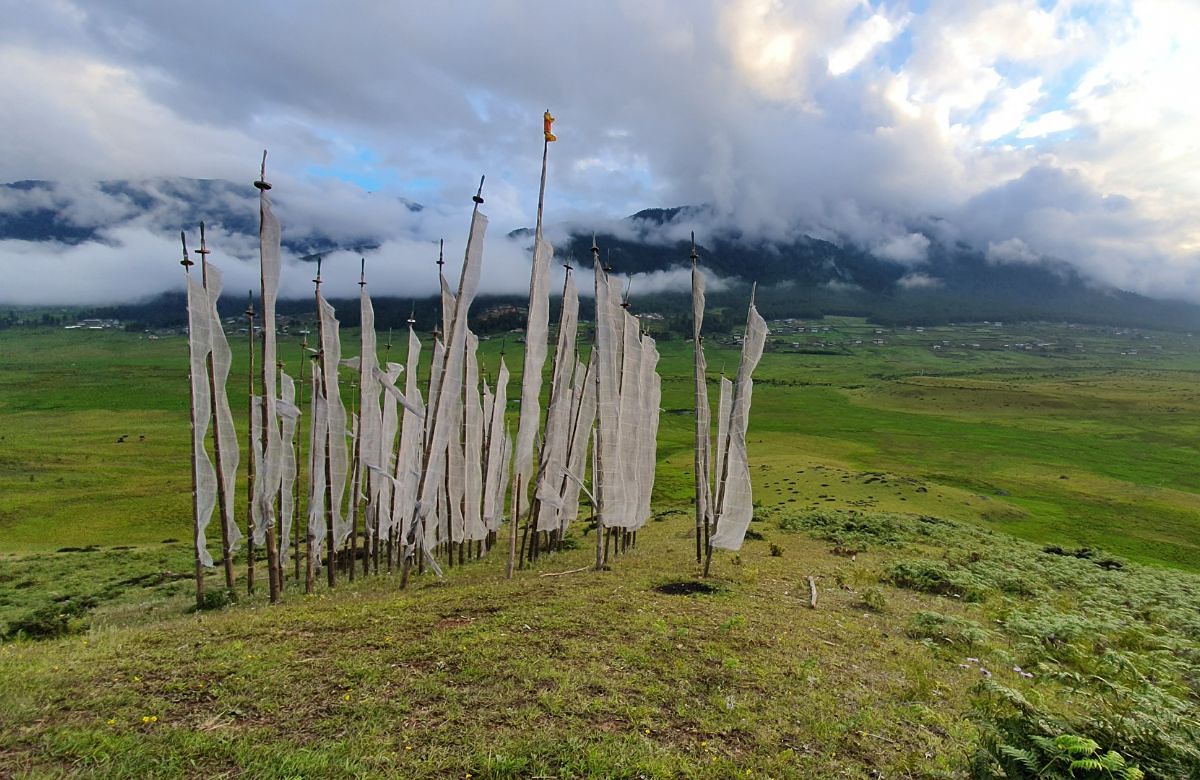
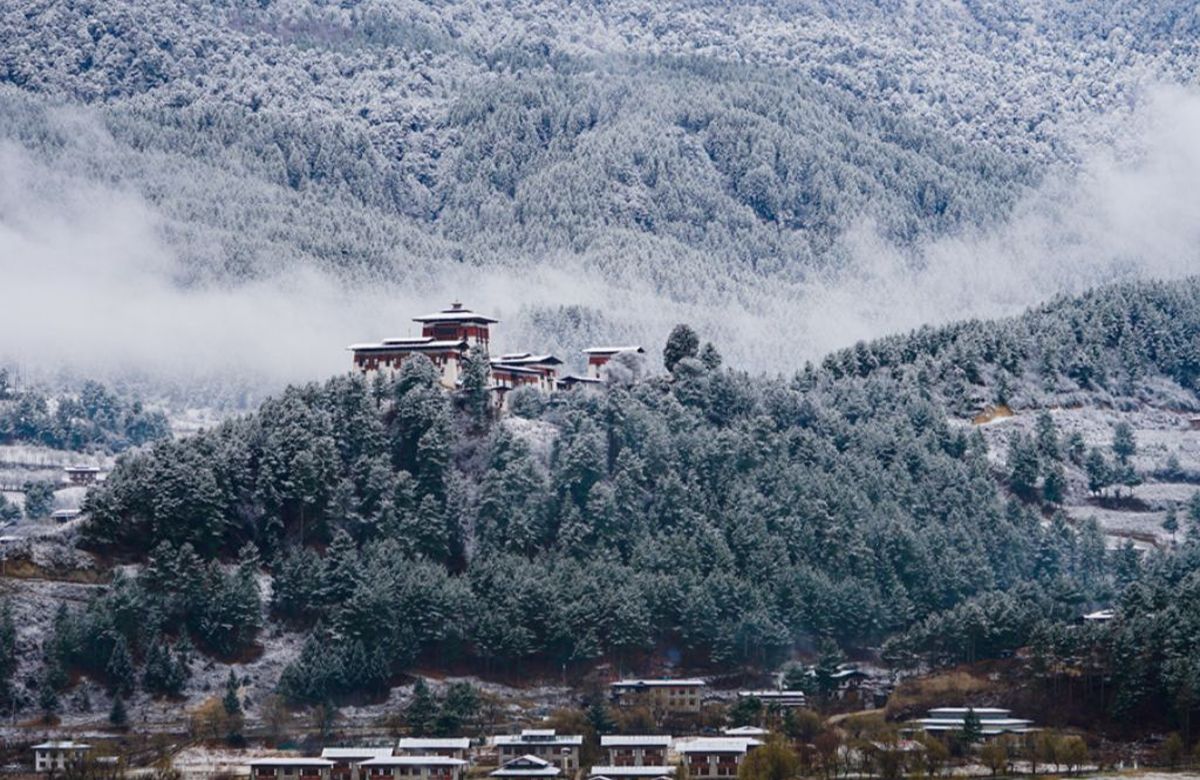
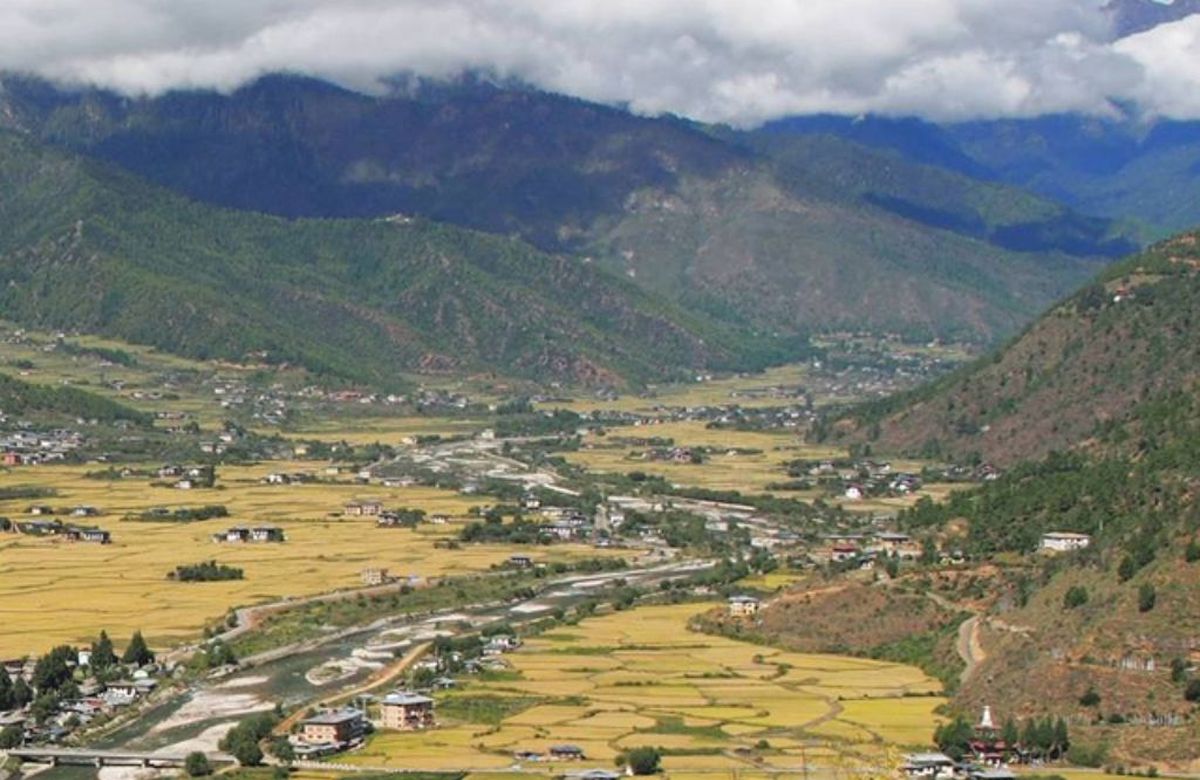
A small licensed operator in Thimphu, running private journeys across the kingdom. Ten itineraries, five to twelve days — each one a starting point we will redraw around your dates.
Evergreen Sojourn is a Bhutanese-owned tour operator based in Thimphu. We publish ten itineraries here, and we expect most of them to change — they exist to show you the shape of a good week rather than to be booked as printed.
What we actually do is start from your dates, your walking legs and the things you care about, and draw the trip around them. Then we run it ourselves — our guides, our drivers, hotels we have stayed in.
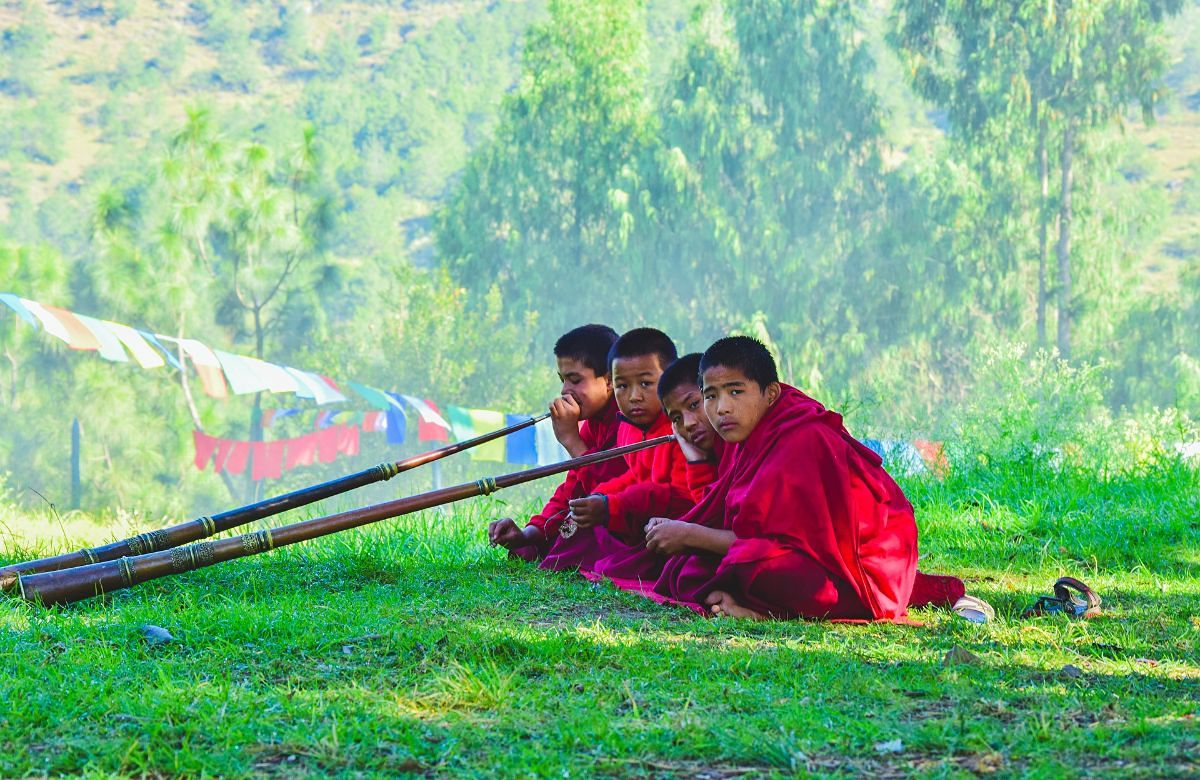
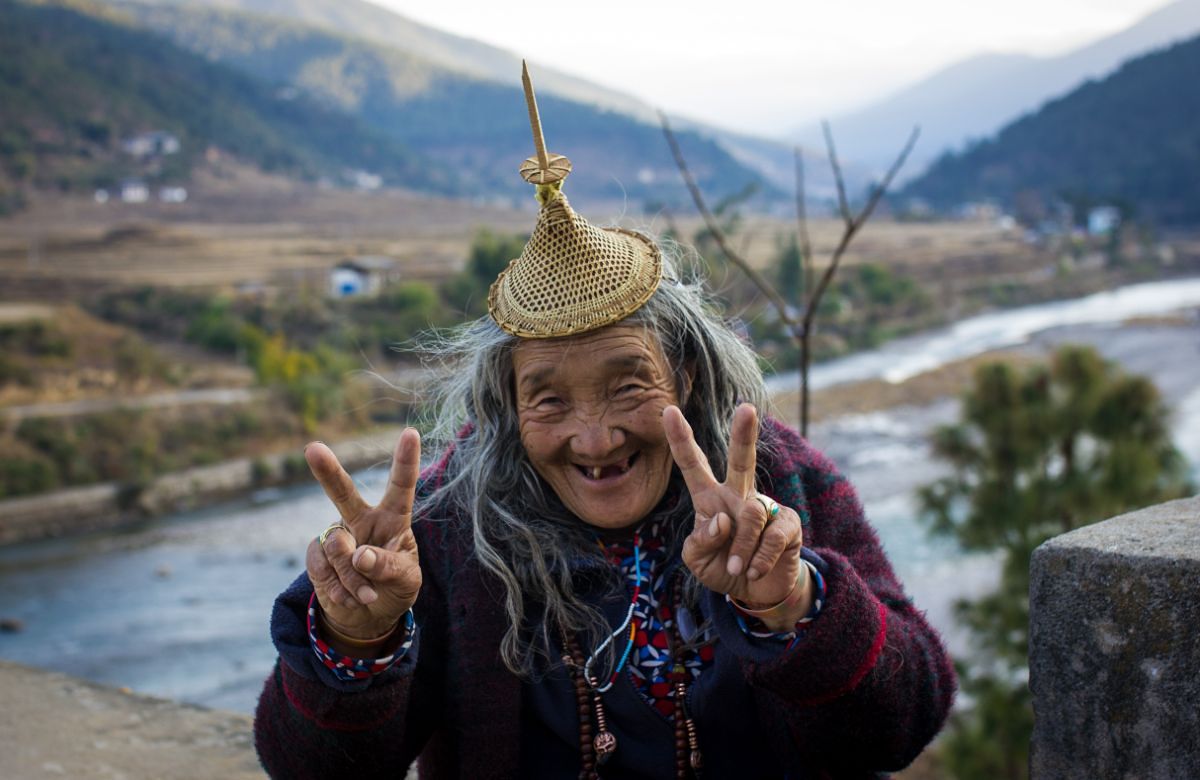
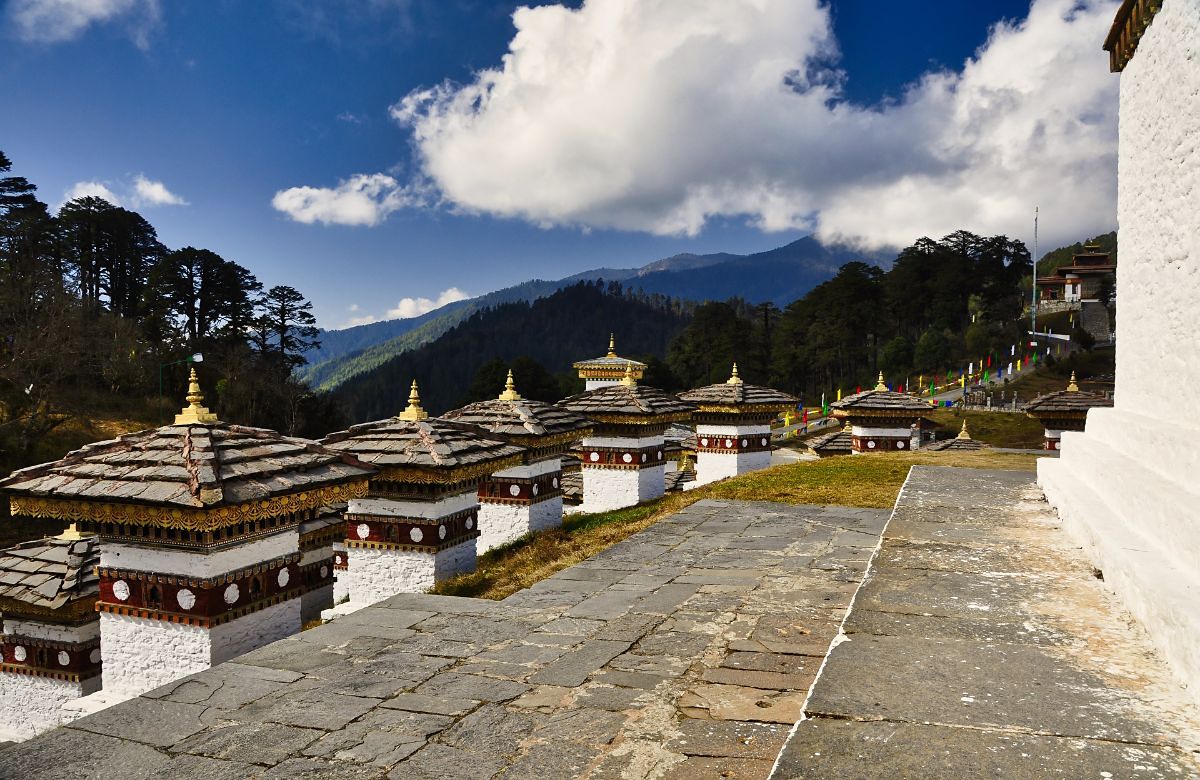
They gave us the valley in the order it makes sense in, and then got out of the way.
A traveller from Melbourne, October
Seven themes across ten itineraries. Every one is private, and any of them can be lengthened, shortened or merged with another — several of the trips we run each season are two of these joined together.
No prices are published. Every journey is individually quoted for your dates, your party and the way you want to travel — with the government fees shown as separate lines rather than folded into a headline number.
None of them is complicated. Together they are most of the difference between a good week here and a tiring one.
No scheduled departures and no merged bookings. Your guide, your driver and your vehicle belong to your party for the whole trip — including the days you decide to change it.
Every guide is Bhutanese, licensed, and briefed on your interests before you land — so the conversation does not start from nothing on day one.
We plan around the hours in a vehicle rather than the sights on a list. No day has more than four driving hours unless the map forces it, and every walk has an alternative.
The full itinerary, the named hotels and the total cost, in writing, before any money moves — and no hotel changed without asking you.
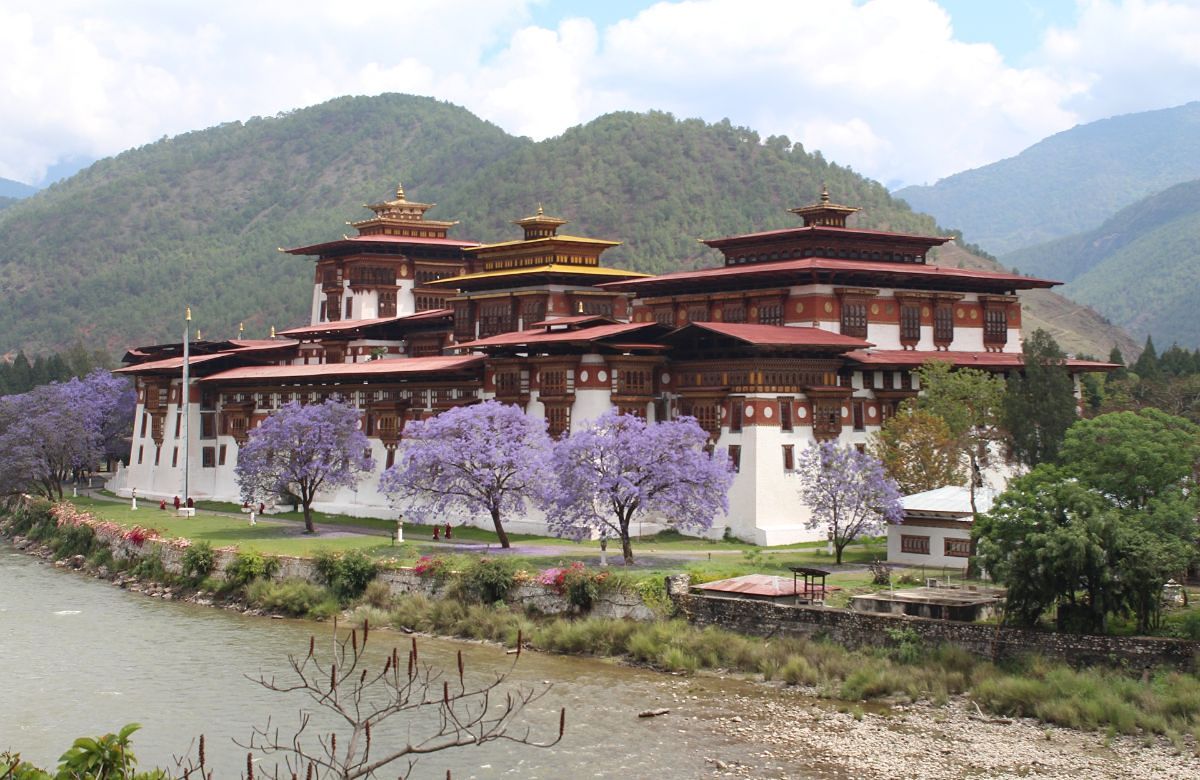
Bhutan has one main highway and it follows the ridgelines, so how far east you get is decided by nights rather than kilometres. Five nights is Paro and Thimphu; eight opens Punakha and Phobjikha; twelve reaches Bumthang.

Bhutan is the size of Switzerland with a tenth of the people, wedged between Tibet and the Indian plain, and it has never been colonised. It legalised television in 1999, has more forest than it did fifty years ago, and is one of the few countries in the world that absorbs more carbon than it emits.
It also charges every adult visitor US$100 a night to be here. That fee is the whole policy in one number: fewer people, staying longer, paying for the healthcare and the forest that make the place what it is.
Four stages, and you see all of it in writing before any of it is booked. Nothing is charged for asking, and nothing is confirmed until you have said yes to the detail.
Your dates, how many nights you can really give Bhutan, who is coming and what you want out of it. We usually come back with questions before we come back with a plan.
Day by day, with the drives, the walking hours and the altitude you sleep at — and a detailed quotation with the government fees on their own lines. Redraw it as many times as you like.
Once your dates are held we file the visa application, the internal route permits and the Sustainable Development Fee, and send you the clearance letter to carry.
Your guide and driver are yours alone for the whole trip. Most days can still be changed on the morning — that is the point of travelling privately.
Your journey starts before you arrive in Bhutan. You will already have reviewed your itinerary, confirmed your hotels and received a clear quotation. When you land in Paro, your guide will know the plan and your driver will be ready to take you through each part of the journey at a comfortable pace.
Some of the best moments in Bhutan are often the ones that are not planned in advance — stopping for tea at a mountain pass, spending time in a farmhouse kitchen, taking an unexpected walk, or simply staying longer somewhere because the view is worth it.
We expected Bhutan to be beautiful, but what surprised us was how personal the journey felt. Nothing seemed rushed or overplanned. Our guide understood when to explain, when to suggest a stop, and when to simply let us enjoy the view. Every day felt thoughtfully put together.
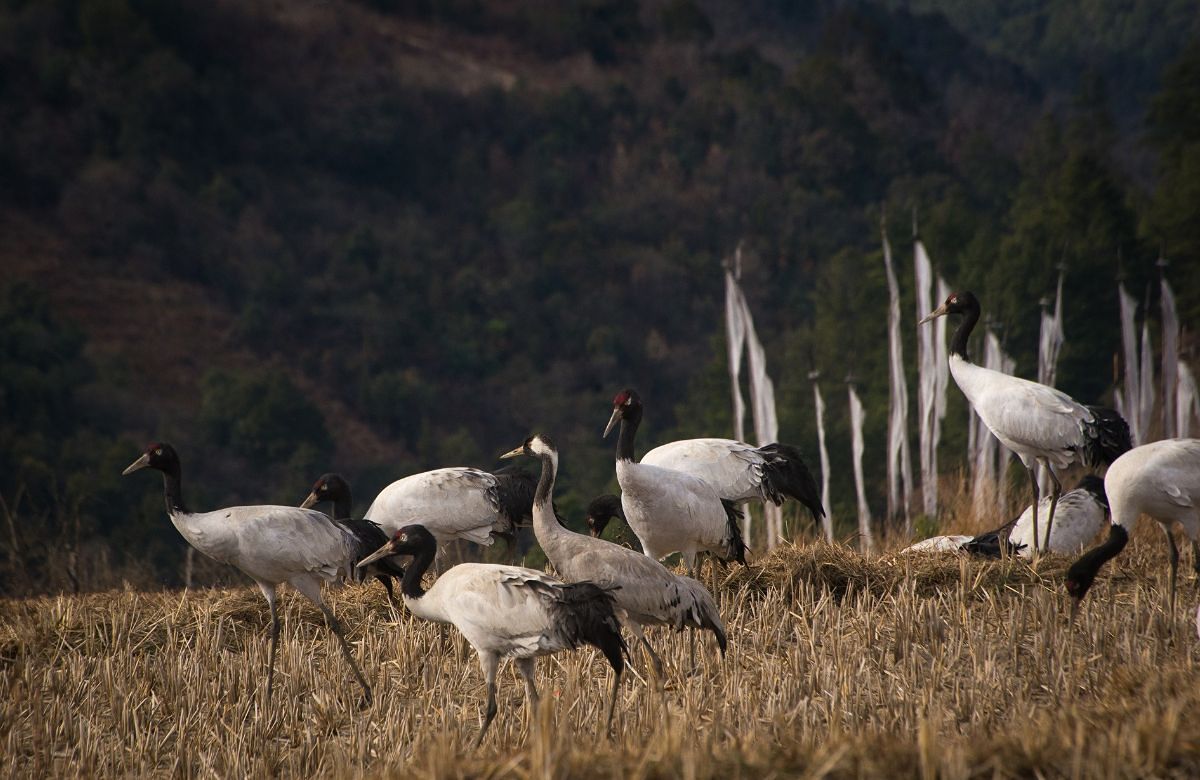
Phobjikha was the part of Bhutan we had been looking forward to most, and it exceeded our expectations. The valley was peaceful, the walks were beautifully paced, and seeing the cranes in the early morning was unforgettable. We never felt hurried from one attraction to another.
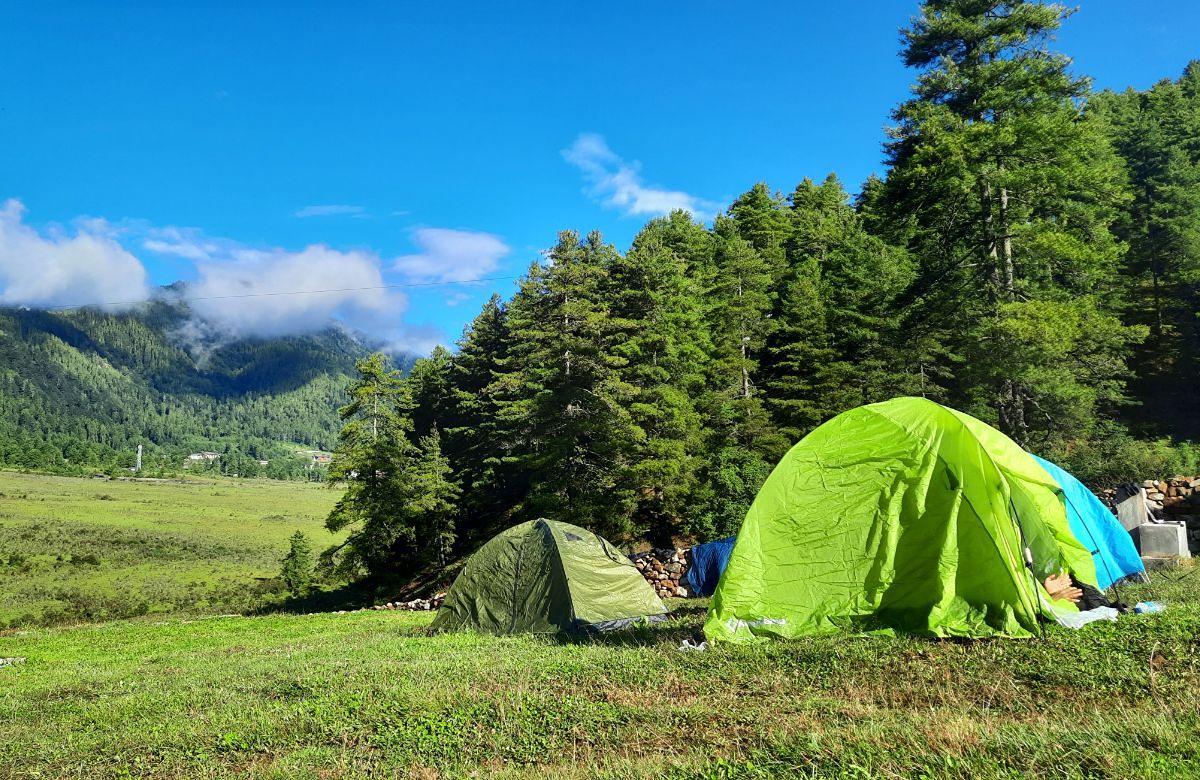
The Druk Path was challenging enough to feel rewarding without ever feeling overwhelming. The trekking team looked after every detail, the camps were comfortable, and our guide kept the pace exactly right for us. Reaching the high lakes after days on the trail was a memory we will keep.
Each of these is written out properly rather than hidden in an accordion.
Most visitors need a visa. You may apply directly through Bhutan’s official online system, or we can apply on your behalf. The visa application fee is US$40 per person, and the Sustainable Development Fee is quoted separately.
Most visitors fly into Paro International Airport. Routes and schedules vary by season and will be confirmed during trip planning. Overland entry from India is also possible at the recognised border crossings.
Altitude, food, money, mobile data, what to pack for a trek, whether you can drink the water, and how much to tip.
Send us the week you have, the walking you enjoy and the things you care about. You will hear back from a person in Thimphu within a day, with a written itinerary and a total cost.