Two nights in the glacial valley where around five hundred black-necked cranes spend the winter, with the birds, the forest and the valley’s own festival built into the week.
There are perhaps eleven thousand black-necked cranes left in the world, and the Phobjikha valley holds around five hundred of them each winter. They arrive from Tibet in late October, circle the Gangtey Goenpa three times before landing, and leave in February by circling it three times again. The Bhutanese take this seriously enough that the valley put its electricity cables underground rather than risk the flight paths.
We give the valley two nights, which is what it takes to see the birds properly — they feed in the marsh at dawn and dusk and are unreliable in between. The Black-Necked Crane Information Centre has spotting scopes and a hide, and the Gangtey Nature Trail walks you down through the pine forest onto the valley floor.
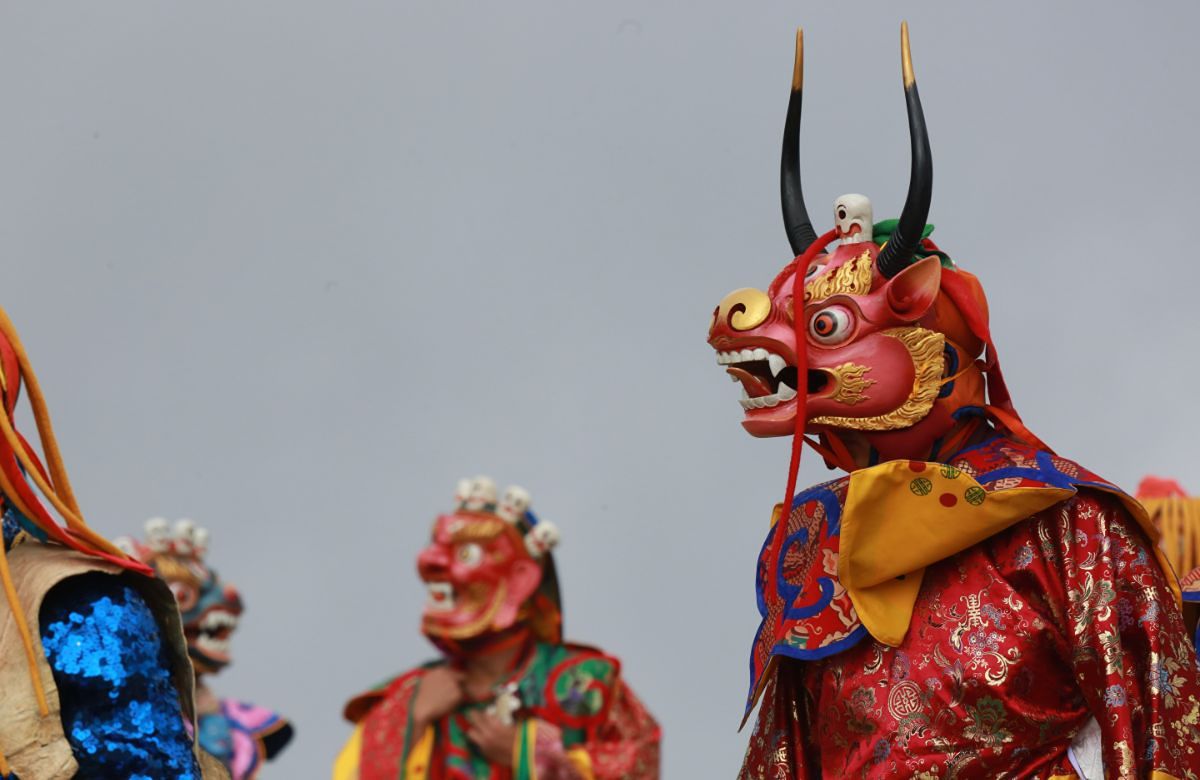
The rest of the week fills in the west: Punakha on the way out and the way back, Thimphu, and Taktsang at the end. If your dates fall on 11 November, we will get you to the Crane Festival in the monastery courtyard, danced by schoolchildren in crane costume.
This journey is quoted for your dates, your party size, your accommodation preference and anything you want changed. Government fees are shown as separate lines.
Written itinerary and full quotation usually within 24 hours. Nothing to pay to ask.
Written the way we would actually run it — with the drives, the walking hours and the altitude you sleep at, so you can judge the days for yourself. Anything here can be changed before you travel, and most of it can be changed on the morning.
Airport pick-up and the drive east. An easy afternoon at the Memorial Chorten and Tashichho Dzong before dark.
Over the Dochula, which in the crane season is at its clearest. Down into the warm valley and the walk across the fields to Chimi Lhakhang in the afternoon.
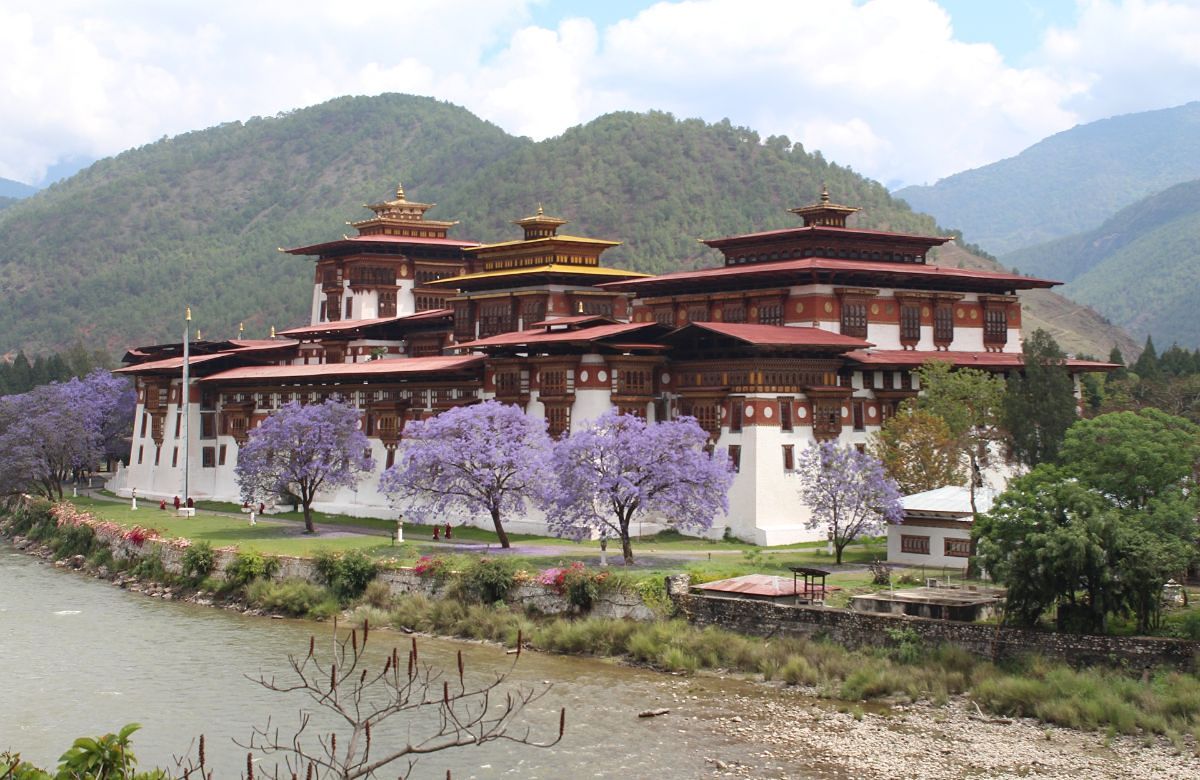
Punakha Dzong at opening time, then east and south over the Lawa La into the Black Mountains. We aim to be in the valley by mid-afternoon, in time for the birds coming in to roost.
Out before sunrise to the marsh edge for the feeding birds. Later, the Crane Centre and its hide, Gangtey Goenpa on the ridge, and in the afternoon the Gangtey Nature Trail down to the valley floor — ninety minutes, almost all of it downhill.
A last morning at the roost, then back west. Afternoon in Punakha: the climb to Khamsum Yulley Namgyal Chorten through the rice terraces, and the Pho Chhu suspension bridge.
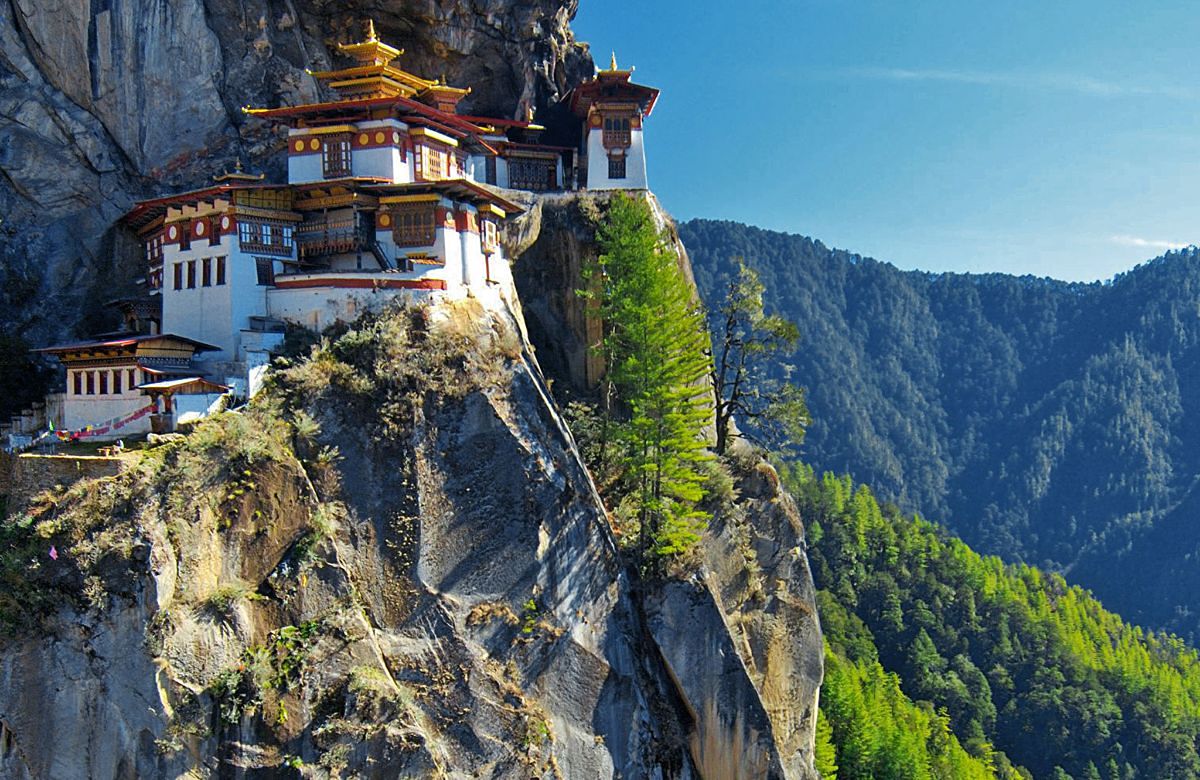
Back over the pass to Paro and up to the Tiger’s Nest, with a hot stone bath in a farmhouse afterwards.
Transfer to the airport for the morning flight.
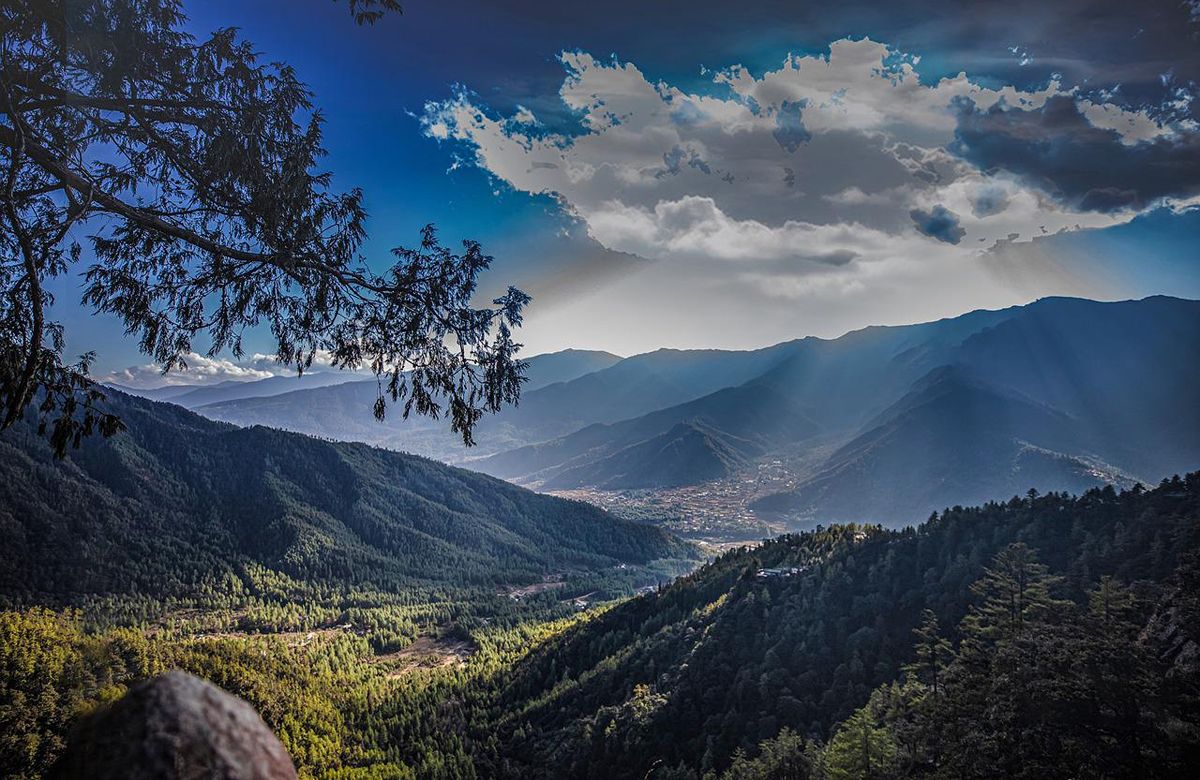
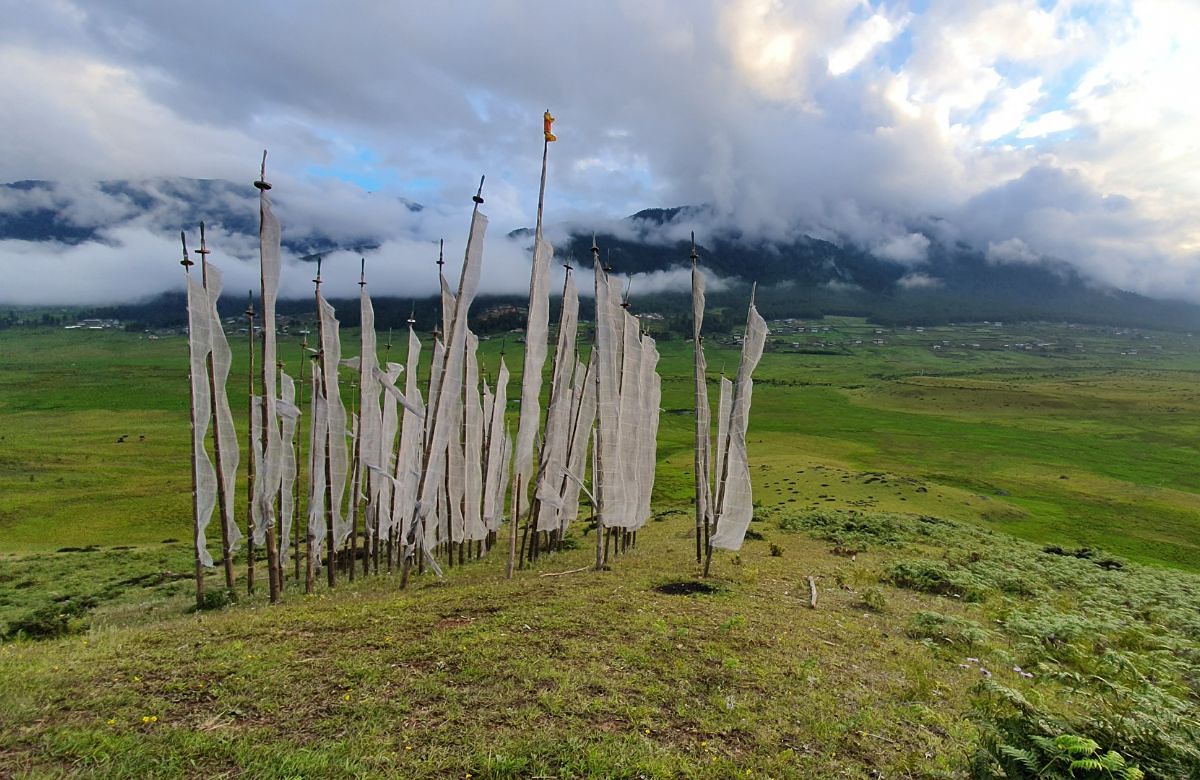
Photographs from the valleys this itinerary passes through. Ask us for more — we have a great many, and we would rather send you real ones than stock.


If yours is not here, send it — we answer properly and we will tell you if the trip is wrong for you.
Reliably from the first week of November to mid-February. The first arrivals come in the last days of October and the last birds leave in the third week of February. Outside those dates the valley is still beautiful, but empty of cranes — and we will say so rather than sell you the trip.
It is the coldest inhabited valley on this itinerary — around −5°C at night in January, with frost on the marsh at dawn. Rooms are heated by bukhari wood stoves. Bring a proper coat, a hat and gloves for the early mornings.
Yes. Beyond the cranes, the valley and the drive in hold Himalayan monal, blood pheasant, kalij, wood snipe and, on the Lawa La, occasionally satyr tragopan. Tell us in advance and we will assign a guide who knows the calls.
Read these before you enquire. Everything here is written so that nothing on the page above reads as a promise we cannot keep.
Black-necked cranes winter in Phobjikha from around late October to mid-February, and numbers build and thin across the season. Sightings of cranes or of any other wildlife cannot be guaranteed.
You sleep between the altitudes shown at the top of this page. Take the first day slowly, drink more than feels necessary, and tell your guide immediately about headache, nausea or unusual breathlessness.
Hot stone baths, farmhouse meals, archery, rafting, meditation sessions and monastery visits are arranged locally and are subject to availability, weather, river conditions and the monastic calendar. Where something cannot run on the day, your guide will offer an alternative.
Hotels are named in your final itinerary and quotation rather than on this page. Properties are certified by the Department of Tourism and are confirmed once your dates are held; if a substitution becomes necessary we will tell you before you travel and will not move you to a lower grade without asking.
International flight routes, frequencies and schedules vary by season and change at short notice. Current connections will be confirmed during trip planning. Leave a night either side of your Paro flights rather than booking a same-day onward connection.
The visa application fee is US$40 per person, one-time and non-refundable, and the Sustainable Development Fee applicable to your dates will be identified as a separate line in your quotation. Comprehensive travel insurance, particularly medical and emergency evacuation cover, is strongly recommended; it is not a government visa requirement.
Roads, weather, monastic calendars and local events can all move a day around. Your guide will discuss any change with you at the time, and the shape of the trip is yours to adjust before you travel and, for most days, on the morning.
Every journey is individually quoted. Tell us your travel dates, the number of travellers, your accommodation preference and anything you would like changed about the Gangtey Crane Valley itinerary, and we will prepare a detailed quotation for your trip.
Fields marked * are required. Prefer to write directly? evergreentcpf@gmail.com · +975 77439181
Your details are used to answer this enquiry and nothing else — no mailing list and no resale.