Three valleys, long stays and mornings that begin with meditation rather than a departure time. Traditional hot stone baths, a monastery sitting, and no day with more than one thing in it.
The Bhutanese hot stone bath — dotsho — is a wooden trough of river water heated by river stones roasted in a fire until they crack, with artemisia leaves thrown in. It is a farmhouse ritual, not a spa treatment, and it is the single most restorative hour you can spend in this country. You will have three of them on this trip.
Around them we have built mornings of guided meditation with a monk at Chagri and Dechen Phodrang, an afternoon learning to make traditional incense from juniper and thirty other ingredients, a session on the principles of Bhutanese traditional medicine at the national institute in Thimphu, and a good deal of unstructured time.
You will still see the important things — Punakha Dzong, Taktsang if you want it, the Dochula. But they are placed where a rest day would otherwise be, and any of them can be dropped on the morning without penalty. That flexibility is the point.
This journey is quoted for your dates, your party size, your accommodation preference and anything you want changed. Government fees are shown as separate lines.
Written itinerary and full quotation usually within 24 hours. Nothing to pay to ask.
Written the way we would actually run it — with the drives, the walking hours and the altitude you sleep at, so you can judge the days for yourself. Anything here can be changed before you travel, and most of it can be changed on the morning.
Airport pick-up, and then nothing. Check in, eat, sleep. If you are awake in the late afternoon, a slow walk along the Paro Chhu below the dzong. First hot stone bath in the evening.
A late start east. In Thimphu, the National Institute of Traditional Medicine, where practitioners still compound remedies from high-altitude plants collected in Lingshi, and an hour in the herb garden. Evening free.
North up the Thimphu valley to Chagri Dorjeden, founded in 1620 and still a three-year retreat centre. A short forest walk up, then a guided meditation session with a resident monk and time simply to sit in the courtyard. Afternoon free in the capital.
The pass, at whatever hour you feel like leaving, with a long stop for tea at the chortens. Down into the warm valley. Afternoon: incense-making with a family who have done it for three generations, and a second hot stone bath at dusk.
Punakha Dzong early, while it is quiet, then an unhurried day: the rice terraces, the suspension bridge, and a long afternoon by the Mo Chhu. Drive back to Paro in the evening for the final bath.
Transfer to the airport for the morning flight.
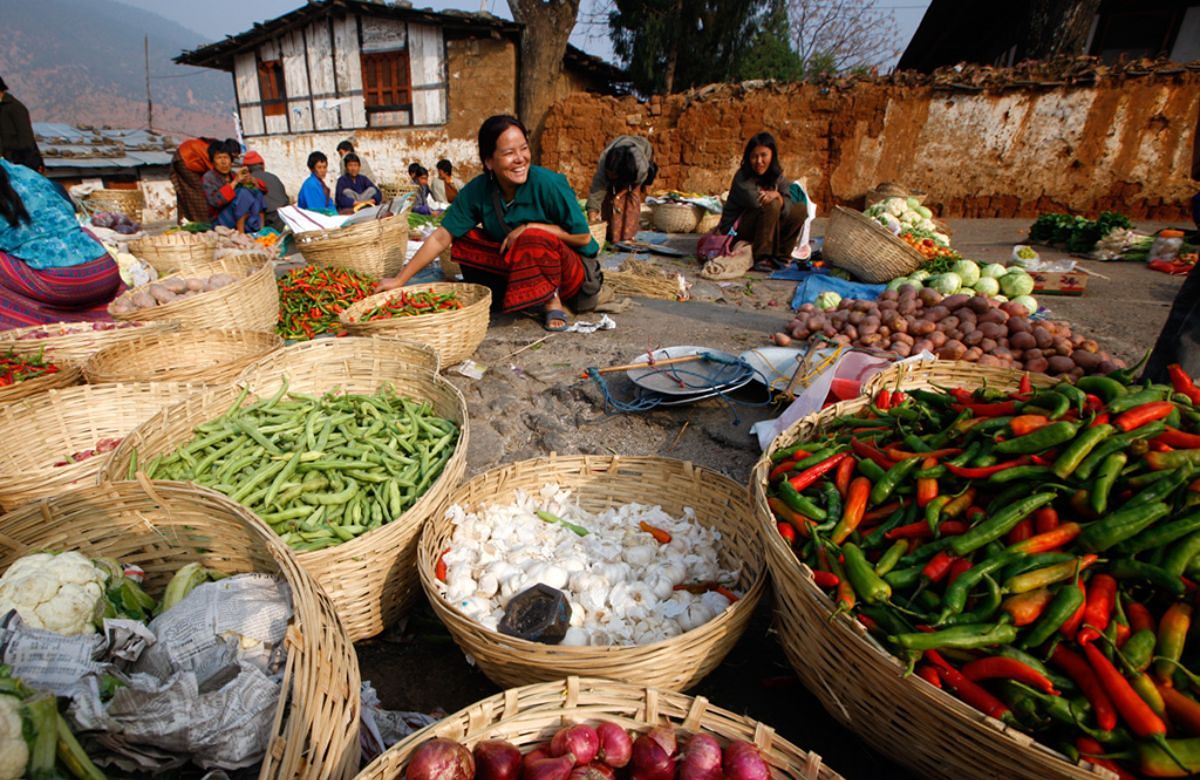
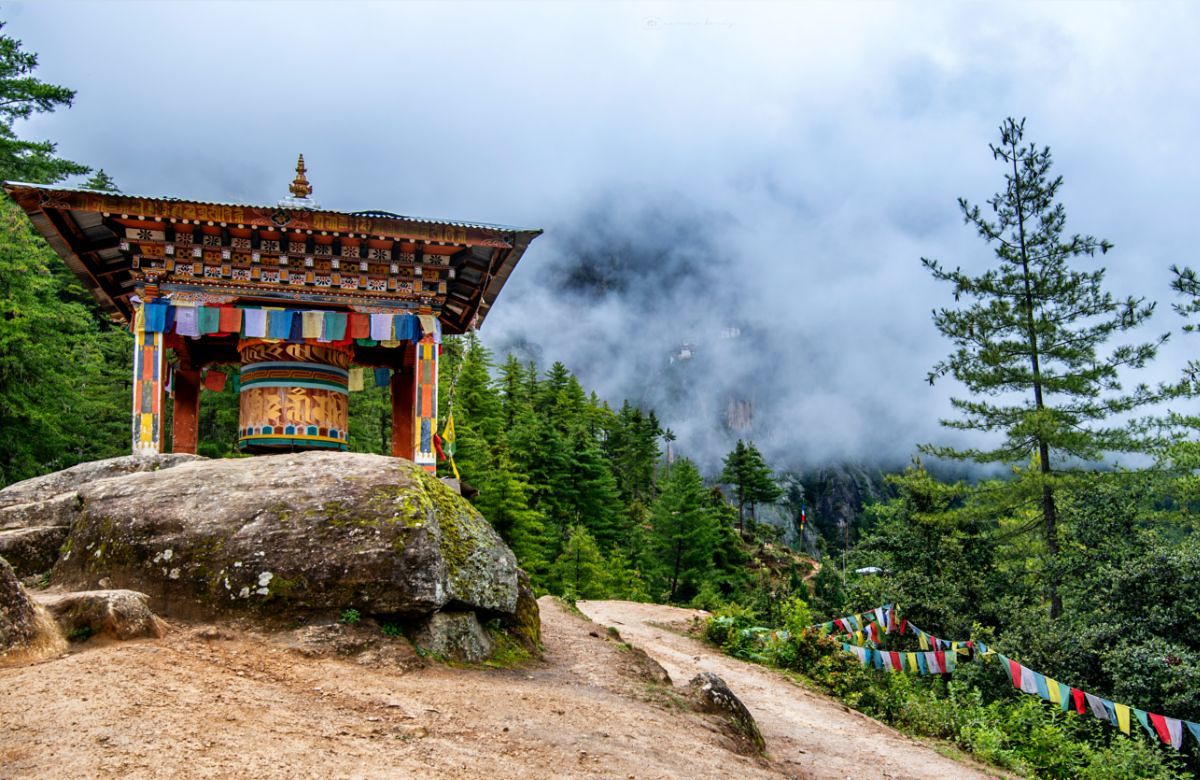
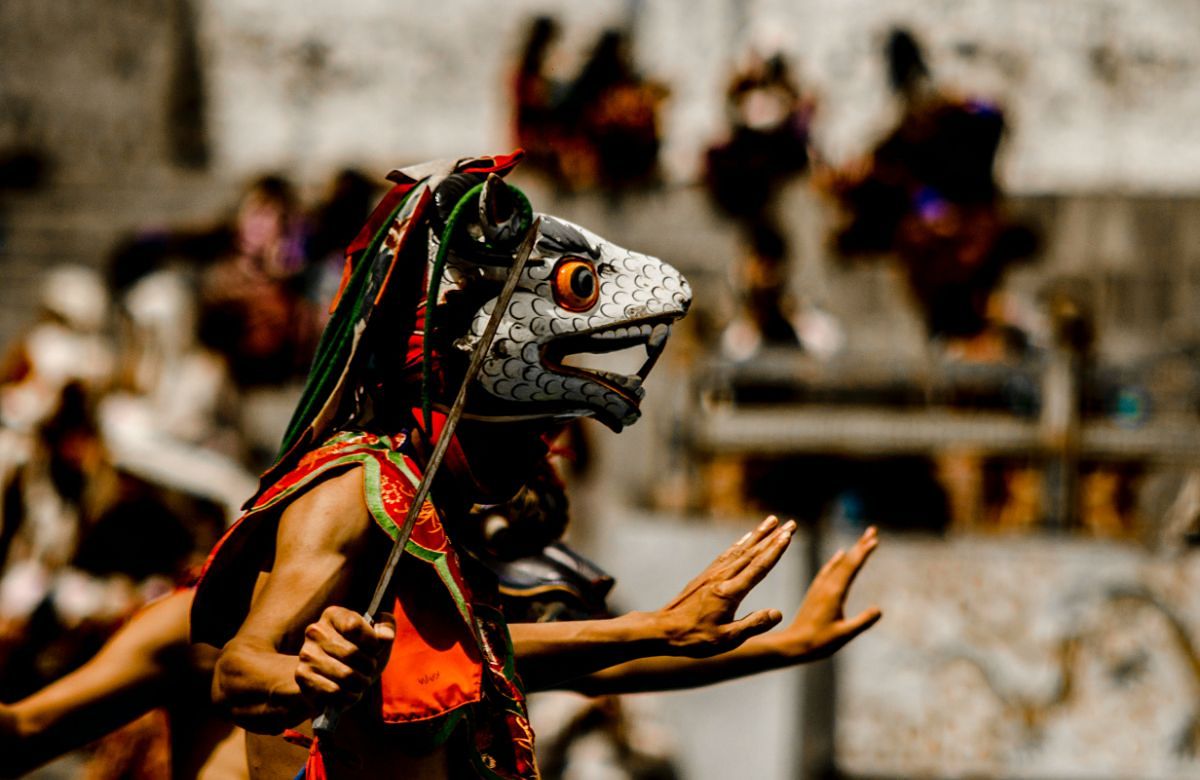
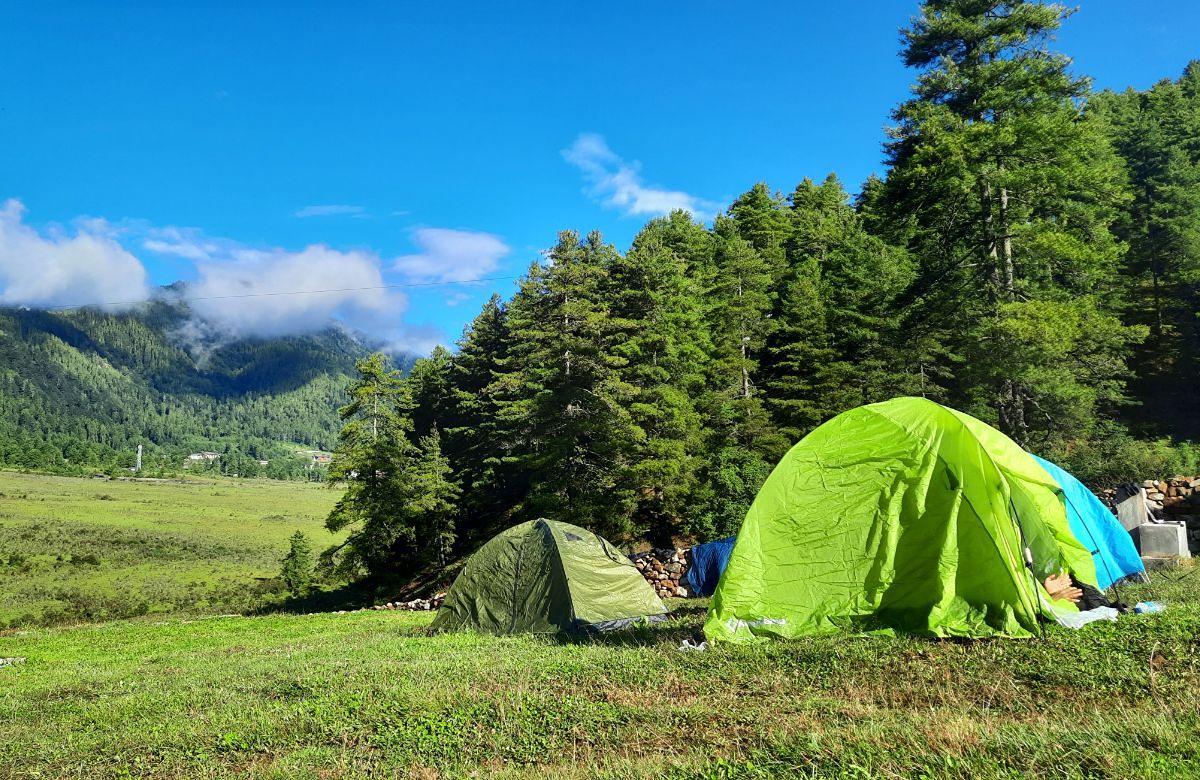
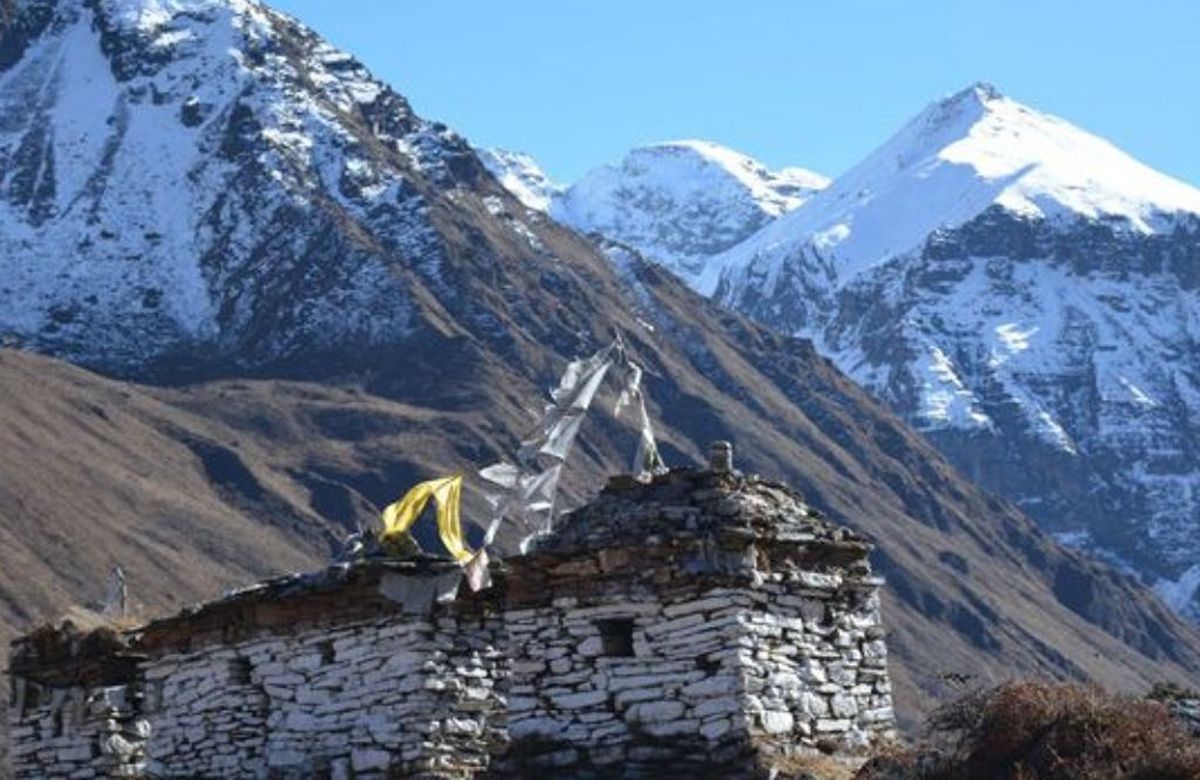
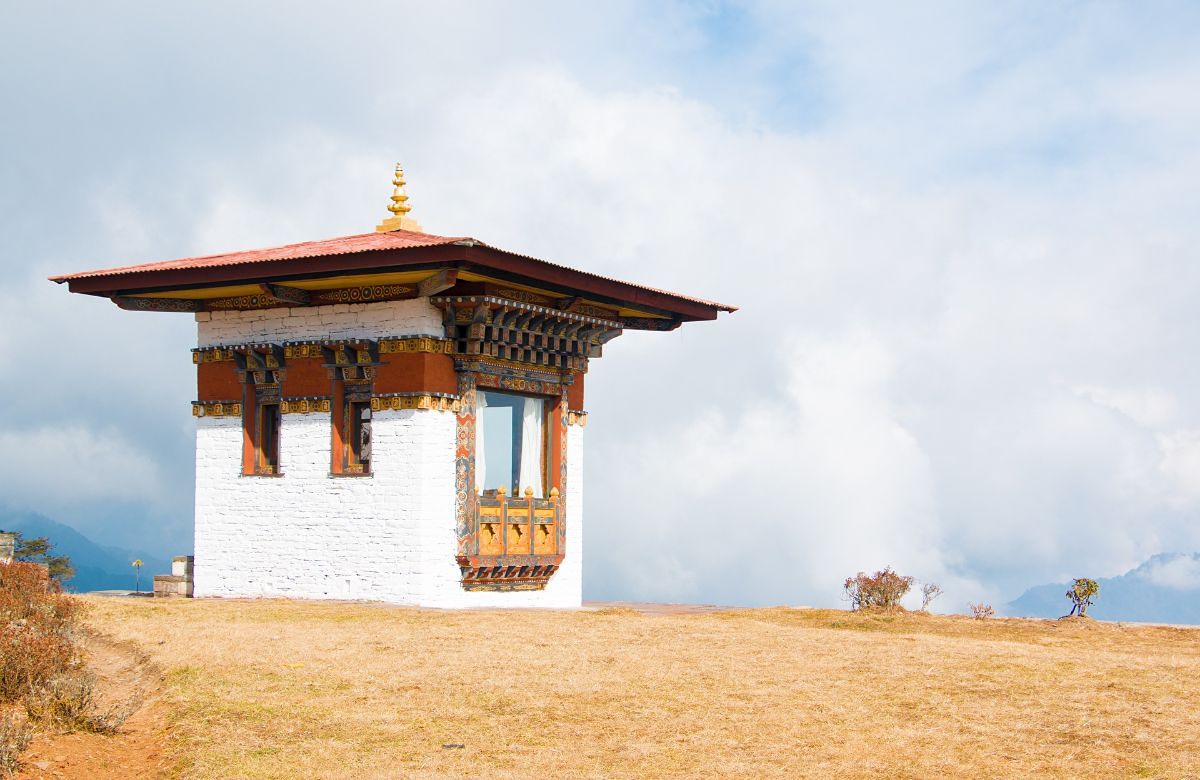
Photographs from the valleys this itinerary passes through. Ask us for more — we have a great many, and we would rather send you real ones than stock.


If yours is not here, send it — we answer properly and we will tell you if the trip is wrong for you.
No, and you will not be asked to convert to anything. The session is taught as breath and attention practice, in English, through your guide where needed. People of every faith and none have found it worth the morning.
You sit in a wooden trough of river water in a small shed or bathhouse. River stones, heated in a fire until they are close to cracking, are slid into a separate compartment at one end, so the water heats gradually and you can ask for more. Artemisia leaves float on the surface. It lasts about an hour and you will sleep extremely well afterwards.
Yes — this is the itinerary we most often adapt. Every walk on it is optional, distances are short, and the vehicle can reach all but the Chagri and Taktsang paths. Tell us what you need when you enquire.
Read these before you enquire. Everything here is written so that nothing on the page above reads as a promise we cannot keep.
The sessions on this itinerary are cultural and restorative experiences. They are not medical treatment, no therapeutic outcome is claimed, and nothing here is a substitute for medical advice. Tell us about any health condition when you enquire so we can plan sensibly around it.
Hot stone baths, farmhouse meals, archery, rafting, meditation sessions and monastery visits are arranged locally and are subject to availability, weather, river conditions and the monastic calendar. Where something cannot run on the day, your guide will offer an alternative.
Hotels are named in your final itinerary and quotation rather than on this page. Properties are certified by the Department of Tourism and are confirmed once your dates are held; if a substitution becomes necessary we will tell you before you travel and will not move you to a lower grade without asking.
International flight routes, frequencies and schedules vary by season and change at short notice. Current connections will be confirmed during trip planning. Leave a night either side of your Paro flights rather than booking a same-day onward connection.
The visa application fee is US$40 per person, one-time and non-refundable, and the Sustainable Development Fee applicable to your dates will be identified as a separate line in your quotation. Comprehensive travel insurance, particularly medical and emergency evacuation cover, is strongly recommended; it is not a government visa requirement.
Roads, weather, monastic calendars and local events can all move a day around. Your guide will discuss any change with you at the time, and the shape of the trip is yours to adjust before you travel and, for most days, on the morning.
Every journey is individually quoted. Tell us your travel dates, the number of travellers, your accommodation preference and anything you would like changed about the Wellness Retreat itinerary, and we will prepare a detailed quotation for your trip.
Fields marked * are required. Prefer to write directly? evergreentcpf@gmail.com · +975 77439181
Your details are used to answer this enquiry and nothing else — no mailing list and no resale.