October is the best month and everybody knows it, which is also its problem. Here is what each of the twelve actually gives you, so you can match the country to the weeks you can take off.
Bhutan has four usable seasons and no unusable one. Autumn and spring give clear air, comfortable walking and every festival worth naming — and they are the months when Paro fills. Winter gives the sharpest mountains in Asia, warm afternoons in Punakha, wintering cranes and almost nobody else. The monsoon gives you a green country, the lowest prices of the year, and a reasonable chance of losing the view.
The one hard constraint is trekking. Camping routes above 4,000 metres run roughly April to June and September to early November; outside that the passes carry snow and we will not run them.
Temperatures are for the western valleys at 1,200–2,300 metres, which is where most itineraries spend their nights. Phobjikha at 3,000 m runs about 6°C colder; Punakha at 1,250 m about 5°C warmer.
| Month | Character | Valley temp | What it gives you | Best for |
|---|---|---|---|---|
| January | Cold & very clear | −5 to 12°C | The sharpest mountain views of the year from the Dochula. Punakha is warm at midday. Wintering cranes may be seen in Phobjikha. Few visitors. | Mountains, cranes |
| February | Cold, warming | −3 to 15°C | Punakha Drubchen and Tshechu, Losar, and the last of the wintering cranes. Still very clear. Trekking above 4,000 m is closed. | Punakha festivals |
| March | Spring begins | 3 to 20°C | Rhododendron starts on the Chele La, Paro Tshechu usually falls late in the month, and the trekking season opens. Popular. | Paro Tshechu |
| April | Best spring month | 6 to 22°C | Full rhododendron, jacaranda in Punakha, warm days, and the Druk Path and Jomolhari treks at their best. Busy and worth it. | Trekking, flowers |
| May | Warm, hazier | 10 to 25°C | Still excellent for walking; the air softens and the peaks retreat behind haze. Ura Yakchoe in Bumthang. Prices ease. | Late trekking |
| June | Monsoon starts | 13 to 26°C | Rain builds through the month, mostly in the afternoon and at night. Green, quiet, cheap. Passes cloud over. | Low season |
| July | Wettest | 15 to 27°C | The heaviest rain of the year and leeches on forest paths. Haa Summer Festival. Very few visitors and the lowest prices. | Haa festival |
| August | Wet, easing | 15 to 27°C | Still monsoon, but the rain slackens late in the month. Landslides can delay the east–west highway. | Quietest month |
| September | Clearing | 12 to 24°C | The monsoon withdraws and the air scrubs clean. Thimphu and Wangdue Tshechu usually fall late. Trekking reopens. | Thimphu Tshechu |
| October | The best month | 8 to 22°C | Clear skies, comfortable temperatures, harvest in the valleys, and the finest trekking conditions of the year. Book six months ahead. | Everything at once |
| November | Clear and cold | 3 to 19°C | Jambay Lhakhang Drup, the Crane Festival on the 11th, cranes arriving in Phobjikha, and superb visibility. Second-best month. | Cranes arrive |
| December | Cold, dry, empty | −3 to 15°C | Druk Wangyel Tshechu on the 13th. Very clear, very quiet, and Punakha is pleasant. High passes closed to trekking. | Value and clarity |
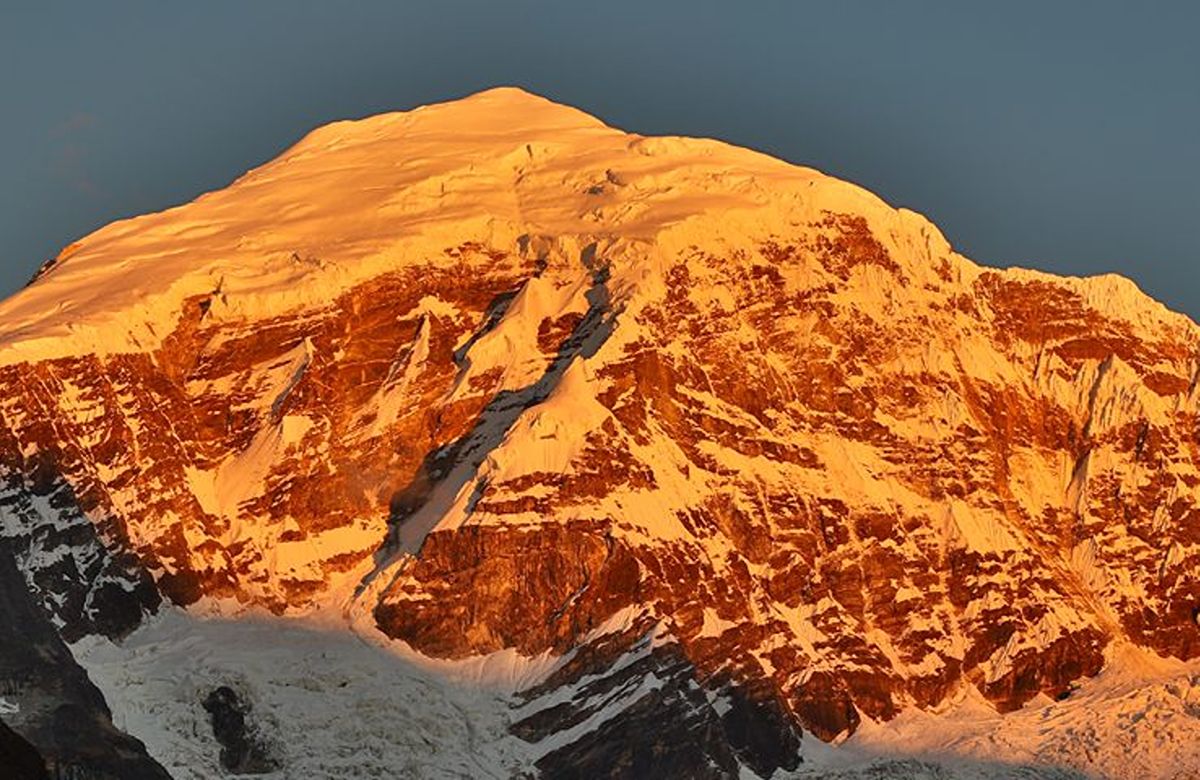
December to February. The Dochula and the Chele La are at their clearest, Gangkhar Puensum is visible from the road, and you sleep warm in Punakha.
Late April, early May, or October. Anything else is either snow on the passes or rain in the tents.
March–April for Paro, late September for Thimphu, February for Punakha, or November for Jambay Lhakhang Drup — the best of the lot.
July, August or January. The monsoon is genuinely wet and January is genuinely cold, and both give you dzongs with nobody in them.
If your dates are wrong for what you want, we will say so — and suggest what those dates are right for instead.