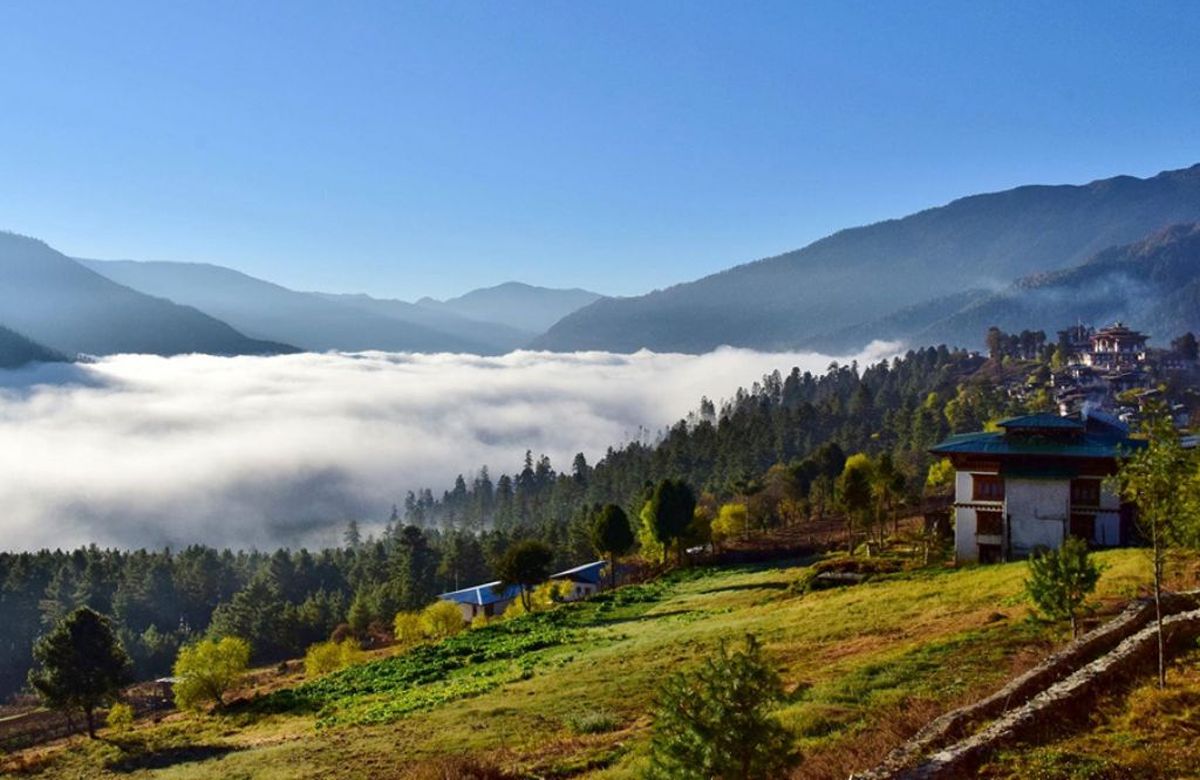
Four days on the old walking route between Paro and Thimphu, camping beside glacial lakes at four thousand metres. The best short trek in Bhutan, and the easiest to fit into a normal holiday.
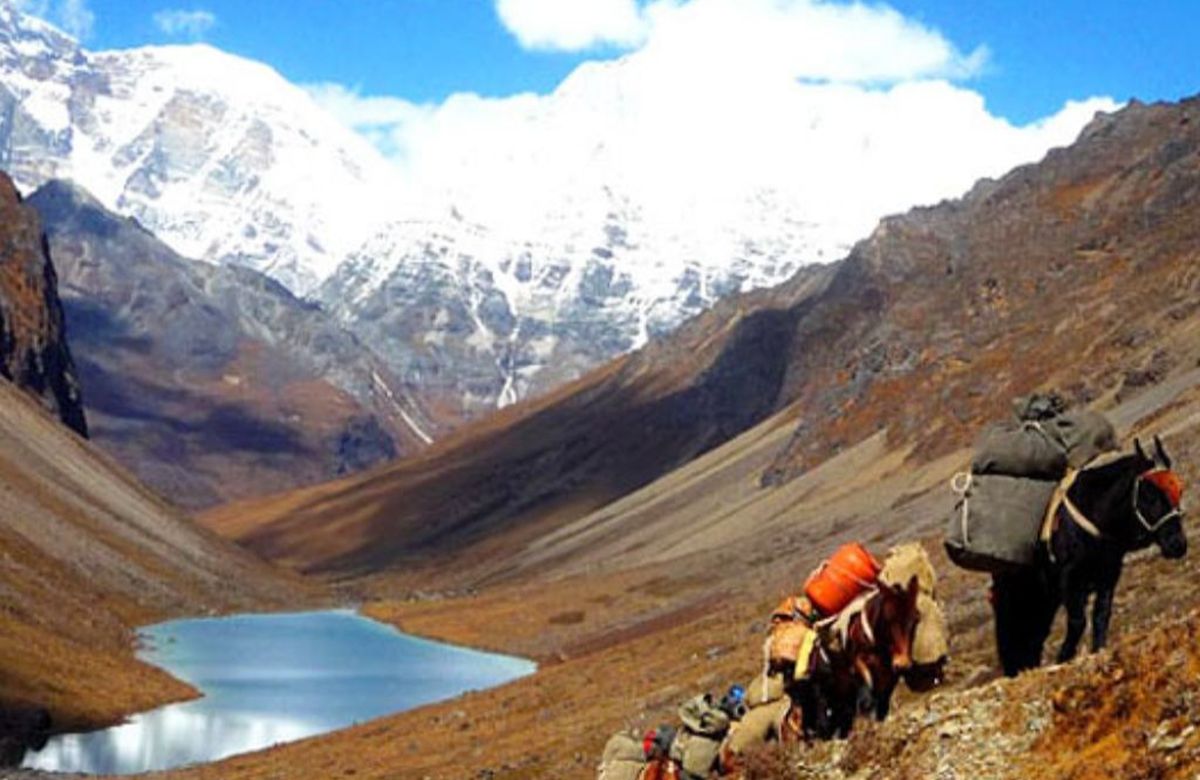
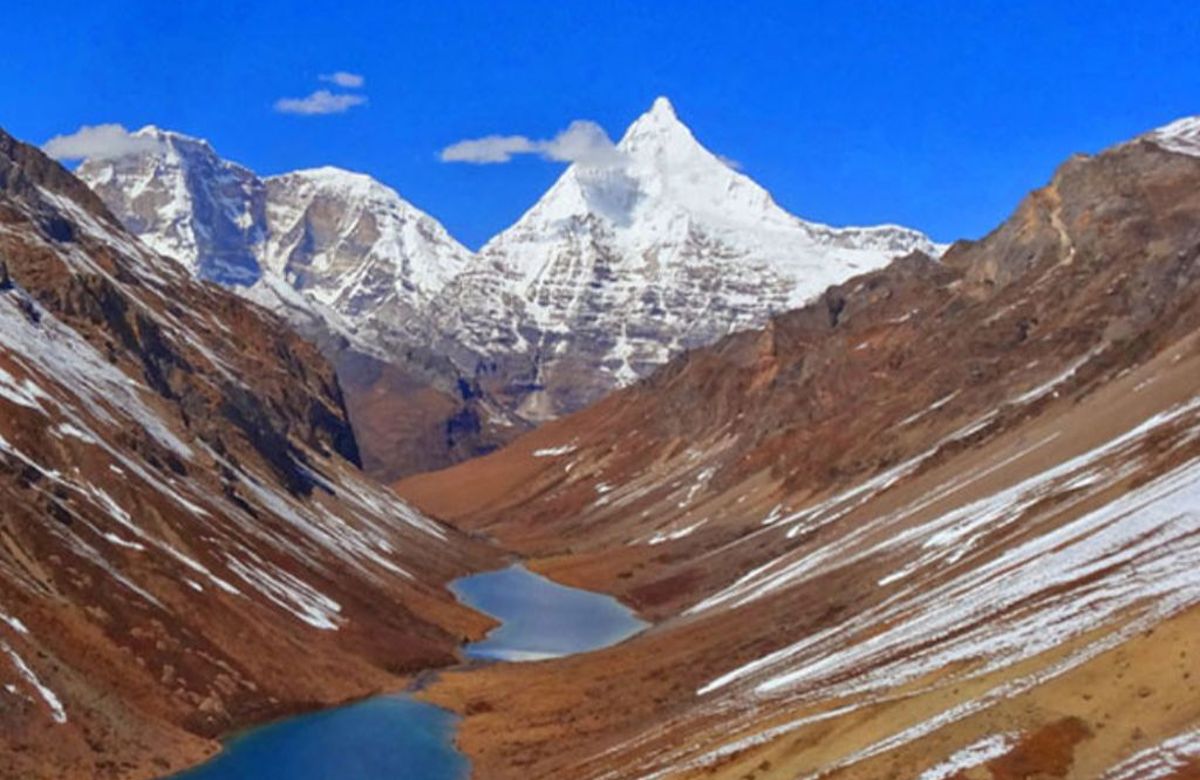
The Druk Path is the trek to take if you have never camped at altitude and want to find out whether you like it. It is short, the daily distances are modest, and you are never more than a day’s walk from a road. What it gives you in return is genuinely high country: yak pasture, dwarf rhododendron, three lakes stocked with trout, and campsites at 3,800 and 4,110 metres.
The high point is the Phume La at 4,235 metres, crossed on the final walking morning, with Gangkhar Puensum visible to the north-east in clear weather. From there the path drops through blue pine forest to Phajoding monastery and down into Thimphu, so the trek ends by walking into a city.
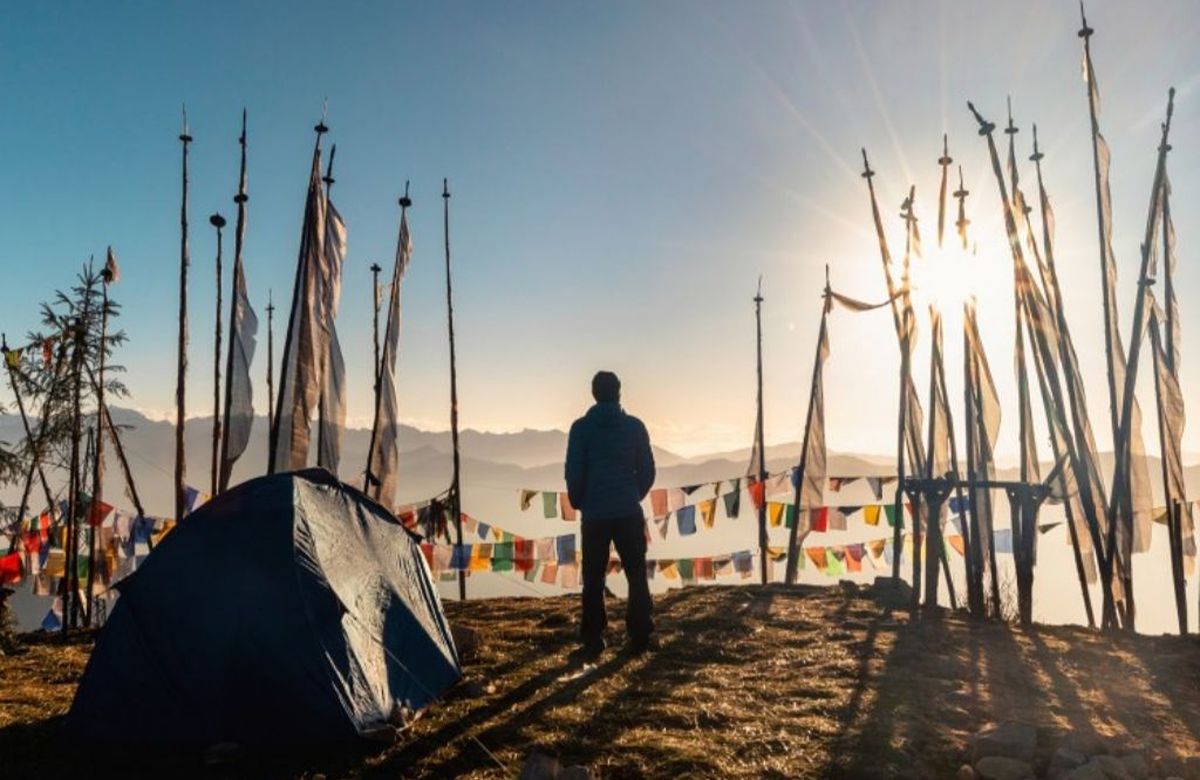
You are supported by a full crew — a trek guide, a cook, horsemen and pack horses. You carry a day pack and nothing else. Tents, mattresses, a dining shelter and a toilet tent are provided, and the food is better than it has any right to be.
This journey is quoted for your dates, your party size, your accommodation preference and anything you want changed. Government fees are shown as separate lines.
Written itinerary and full quotation usually within 24 hours. Nothing to pay to ask.
Written the way we would actually run it — with the drives, the walking hours and the altitude you sleep at, so you can judge the days for yourself. Anything here can be changed before you travel, and most of it can be changed on the morning.
Straight into the valley and, if your arrival time allows, an afternoon on the lower section of the Taktsang path to start moving. Kit check with your trek guide in the evening.
A steep first day, climbing out of the valley through blue pine and spruce to the ruined dzong on the ridge. It is a hard start, and it is deliberately short. From camp, the whole Paro valley is below you and Jomolhari is on the horizon at dusk.
Along the ridge, in and out of rhododendron and dwarf birch, past yak herders’ camps. Blood pheasant and monal are common on this section. A gentler day, and the one where most people stop noticing the altitude.
The finest day of the trek. The path stays high, with the mountains north of you for much of the morning, and descends at the end to a lake in a bowl of rock and dwarf juniper. The trout in it are said to be unusually large.
Past Janetsho lake and a scattering of herders’ huts, climbing steadily to the highest camp of the trek beside another small lake. Cold at night — a four-season bag is essential.
The pass first thing, then a long descent past Phajoding to the road head above the capital. Hot shower, and the transfer to Paro for those flying out the next morning. Most travellers add two nights here — we recommend it.
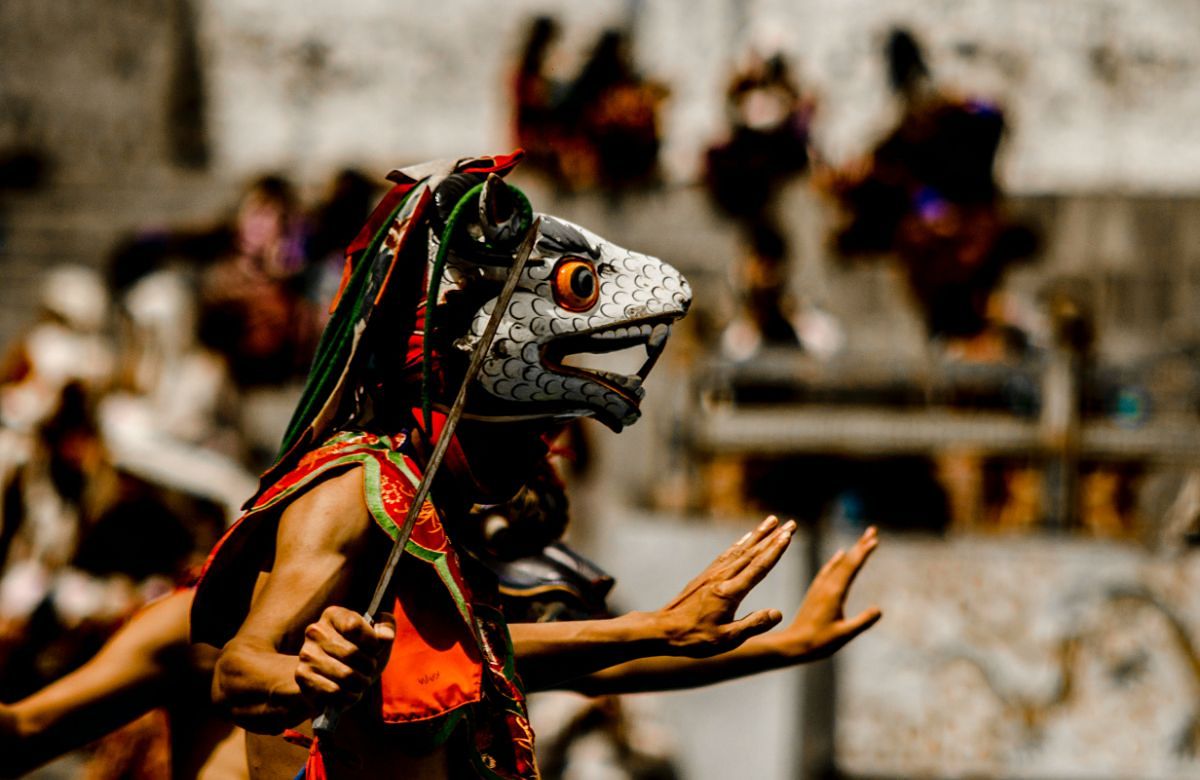
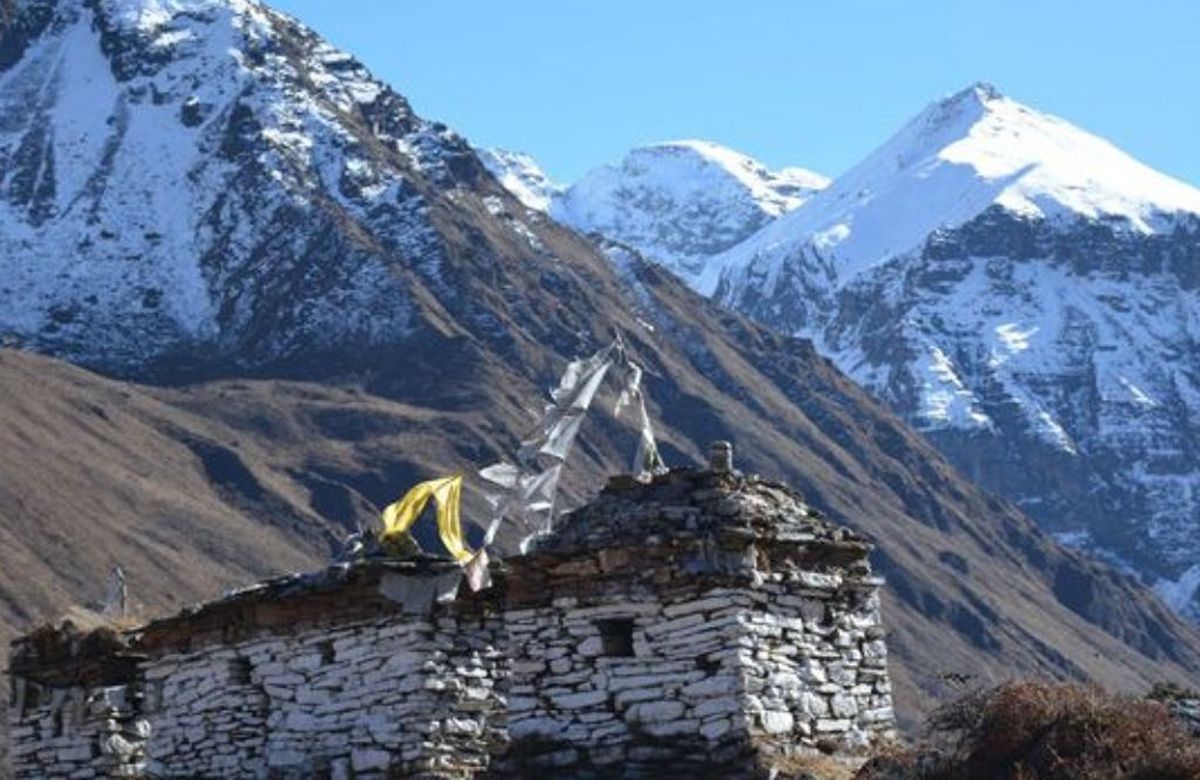
Photographs from the valleys this itinerary passes through. Ask us for more — we have a great many, and we would rather send you real ones than stock.


If yours is not here, send it — we answer properly and we will tell you if the trip is wrong for you.
You should be comfortable walking four to five hours a day on uneven ground, several days in a row, carrying only a day pack. No technical skill is required and there is no exposure. The altitude is the real test: two nights above 3,800 metres.
Cooked fresh at every camp on kerosene stoves — soup, rice, dal, vegetables, eggs, and rather more chilli than you may be used to. Vegetarian, vegan and gluten-free are straightforward if you tell us in advance.
At 4,110 metres in October, expect −5°C to −8°C overnight and warm sun by ten in the morning. A four-season sleeping bag is not optional. Everything else you can layer.
Read these before you enquire. Everything here is written so that nothing on the page above reads as a promise we cannot keep.
Distances, walking hours and pass altitudes shown are planning figures and vary with conditions, group pace and camp availability. Snow can close a high pass outside the main seasons and the route may be shortened or reversed on safety grounds. Travel insurance covering the maximum altitude on this itinerary and emergency evacuation is required for participation — this is our own booking condition, not a government visa requirement.
You sleep between the altitudes shown at the top of this page. Take the first day slowly, drink more than feels necessary, and tell your guide immediately about headache, nausea or unusual breathlessness.
Hotels are named in your final itinerary and quotation rather than on this page. Properties are certified by the Department of Tourism and are confirmed once your dates are held; if a substitution becomes necessary we will tell you before you travel and will not move you to a lower grade without asking.
International flight routes, frequencies and schedules vary by season and change at short notice. Current connections will be confirmed during trip planning. Leave a night either side of your Paro flights rather than booking a same-day onward connection.
The visa application fee is US$40 per person, one-time and non-refundable, and the Sustainable Development Fee applicable to your dates will be identified as a separate line in your quotation. Comprehensive travel insurance, particularly medical and emergency evacuation cover, is strongly recommended; it is not a government visa requirement.
Roads, weather, monastic calendars and local events can all move a day around. Your guide will discuss any change with you at the time, and the shape of the trip is yours to adjust before you travel and, for most days, on the morning.
Every journey is individually quoted. Tell us your travel dates, the number of travellers, your accommodation preference and anything you would like changed about the Druk Path Trek itinerary, and we will prepare a detailed quotation for your trip.
Fields marked * are required. Prefer to write directly? evergreentcpf@gmail.com · +975 77439181
Your details are used to answer this enquiry and nothing else — no mailing list and no resale.