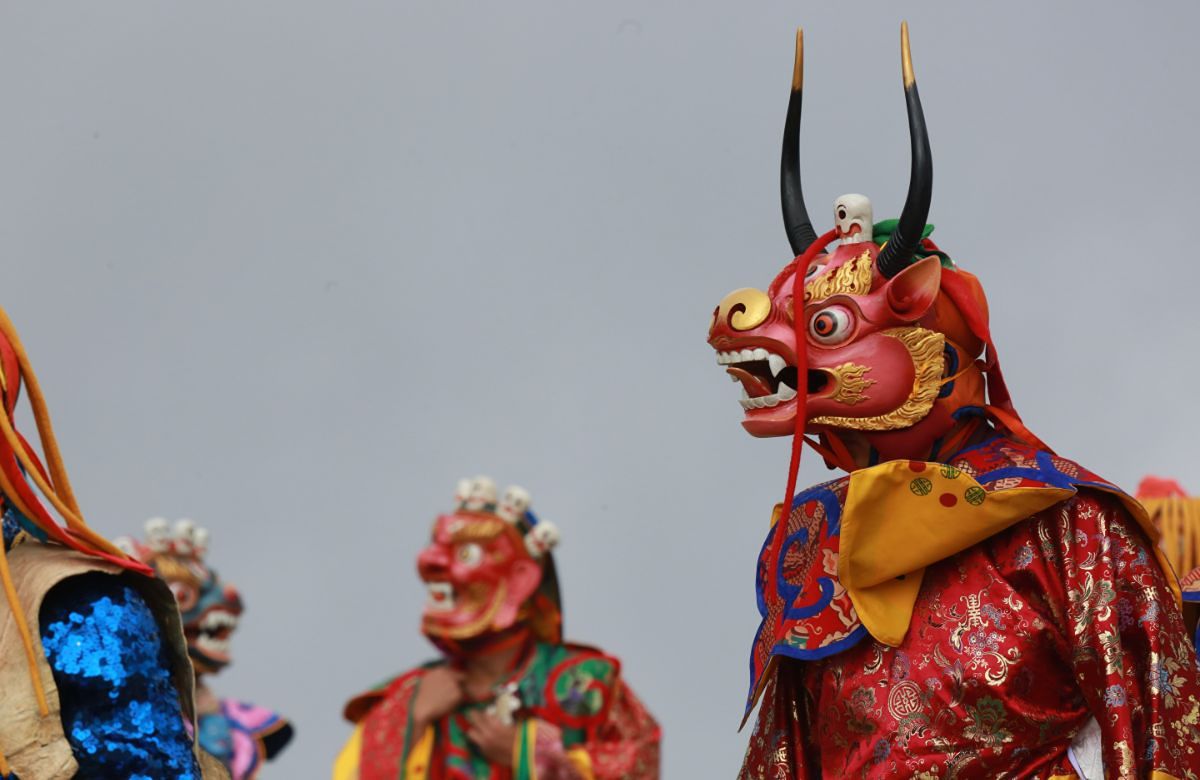
Two festivals in one week, in the warmest valley in the country. The Drubchen re-enacts a seventeenth-century battle; the Tshechu that follows it is pure dance.
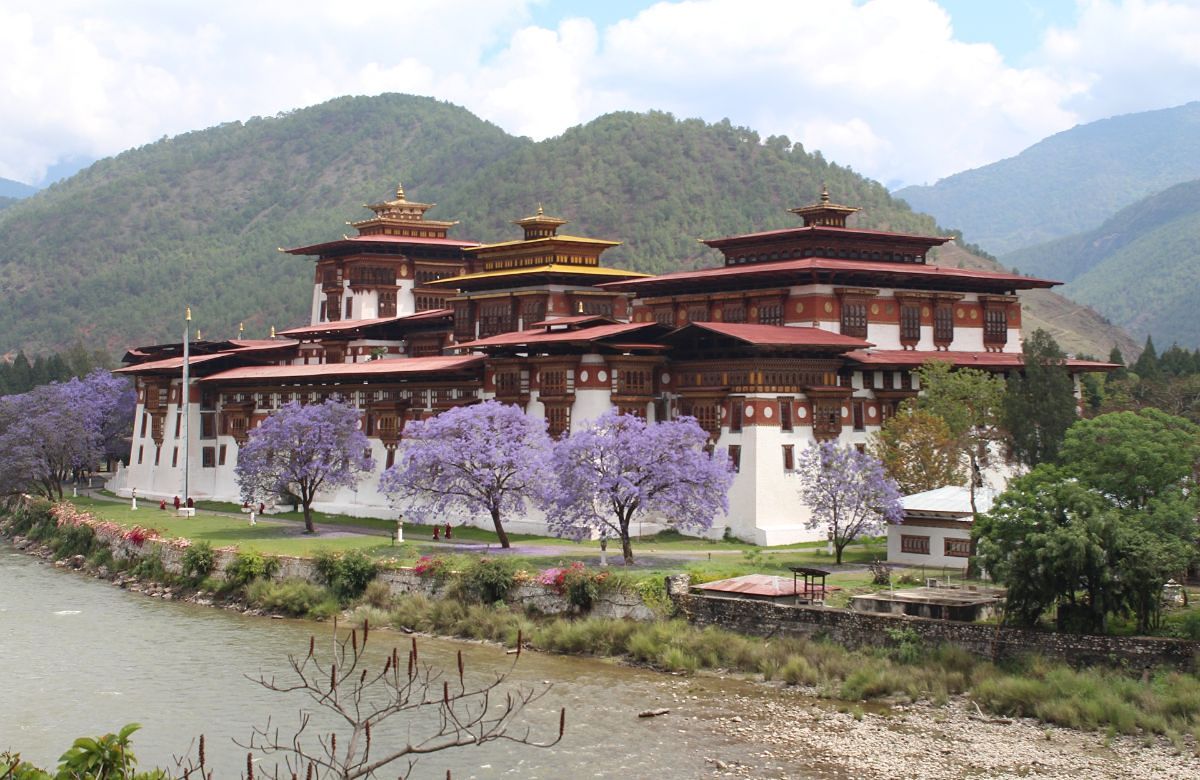
The Punakha Drubchen is unlike any other festival in Bhutan. It commemorates the defeat of a Tibetan invasion in the seventeenth century, and it is performed by pazaps — local militiamen in the dress of the period, drawn from eight villages, who charge, chant and re-enact the battle in the dzong courtyard. Nothing about it is staged for visitors; the roles are inherited.
Immediately afterwards, the Punakha Tshechu begins: three days of masked cham dancing that close with a thongdrel unfurled at dawn. Attending both means you see the two things a dzong courtyard is for — memory and merit — in a single week.
Punakha sits at 1,250 metres, which in February means shirtsleeves at midday while Thimphu is still frozen. It is the most comfortable time of year to be in Bhutan and the least crowded month with a major festival in it.
This journey is quoted for your dates, your party size, your accommodation preference and anything you want changed. Government fees are shown as separate lines.
Written itinerary and full quotation usually within 24 hours. Nothing to pay to ask.
Written the way we would actually run it — with the drives, the walking hours and the altitude you sleep at, so you can judge the days for yourself. Anything here can be changed before you travel, and most of it can be changed on the morning.
Met at the airport and driven east to the capital. An easy afternoon: the Memorial Chorten, and Tashichho Dzong as the light goes.
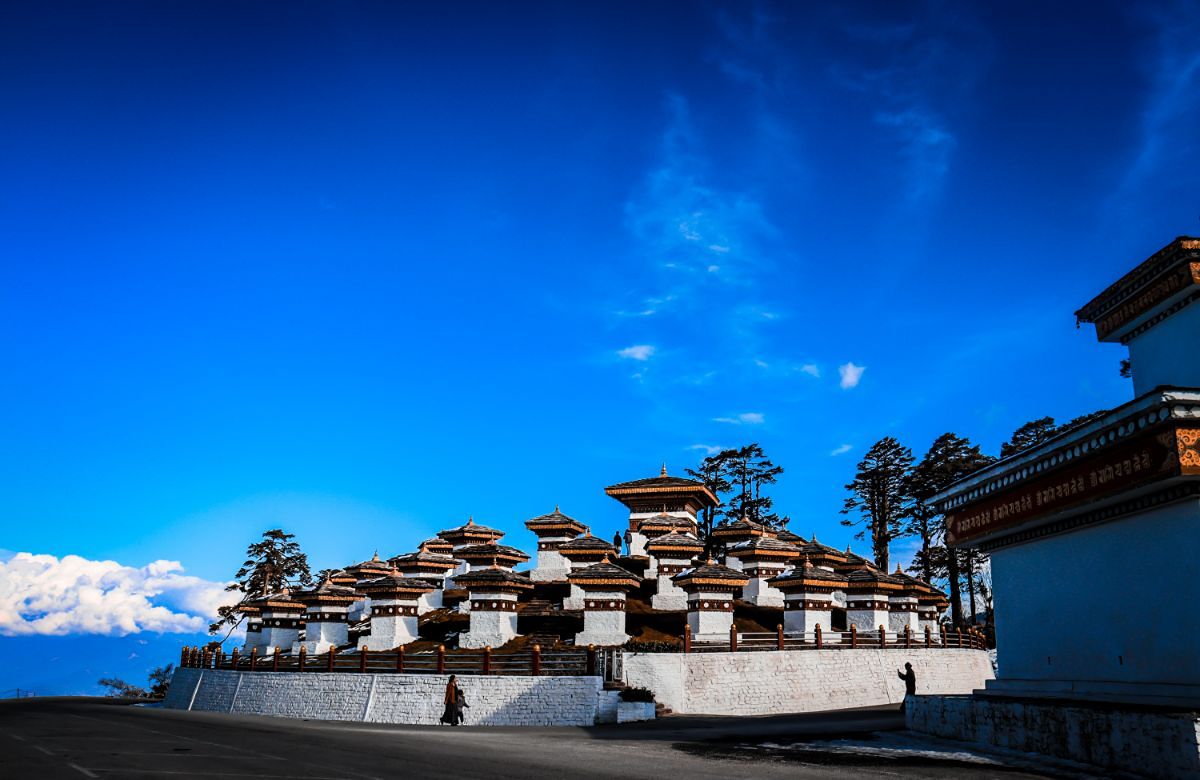
February and March give the clearest mountain views of the year from the pass. We stop for as long as the sky allows, then drop two thousand metres into the warm valley. Afternoon walk to Chimi Lhakhang.
A full day at the dzong for the re-enactment: the assembly of the pazaps, the procession, the charge. Your guide will explain who each group represents and why the sequence runs as it does — without that, it is difficult to follow.
The masked dances in the morning — the Black Hat dance, the dance of the sixteen dakinis. In the afternoon, the climb through the rice terraces to Khamsum Yulley Namgyal Chorten above the Mo Chhu.
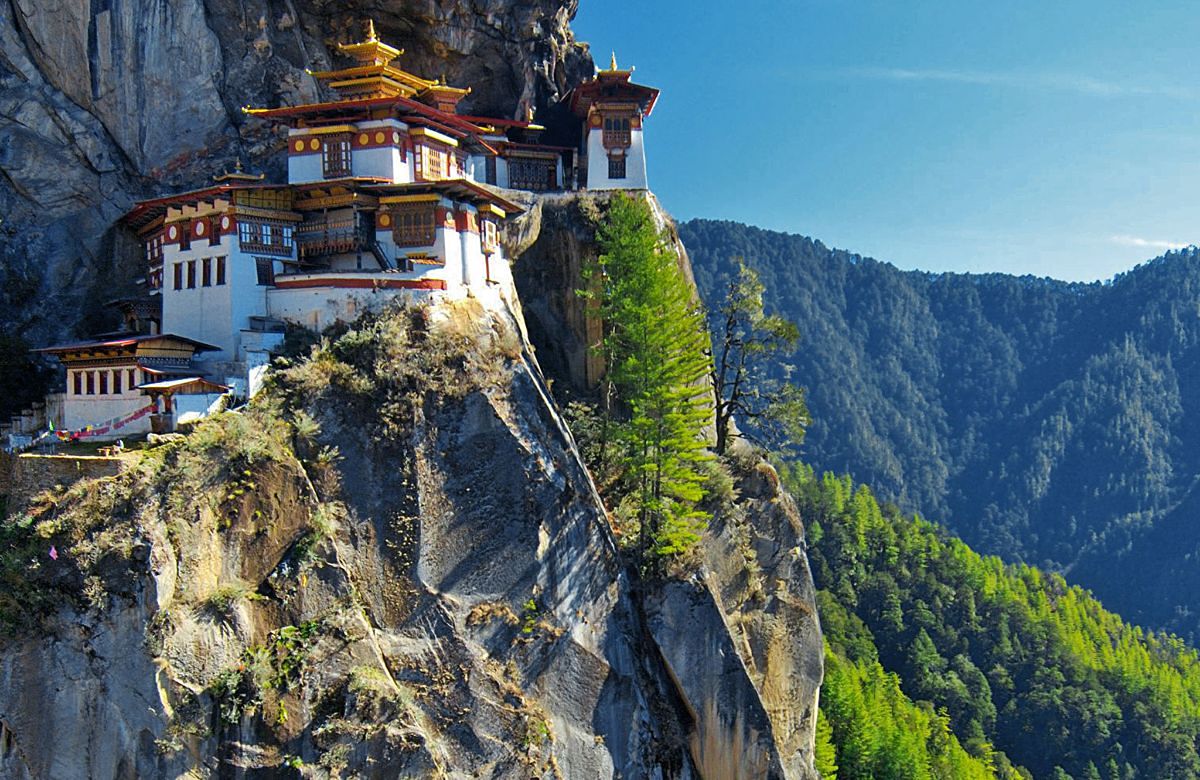
Back over the pass and west to Paro, and up to the Tiger’s Nest in the afternoon light if the timing allows — otherwise an early start is arranged. Hot stone bath in a farmhouse to finish.
Transfer to the airport for the morning flight.
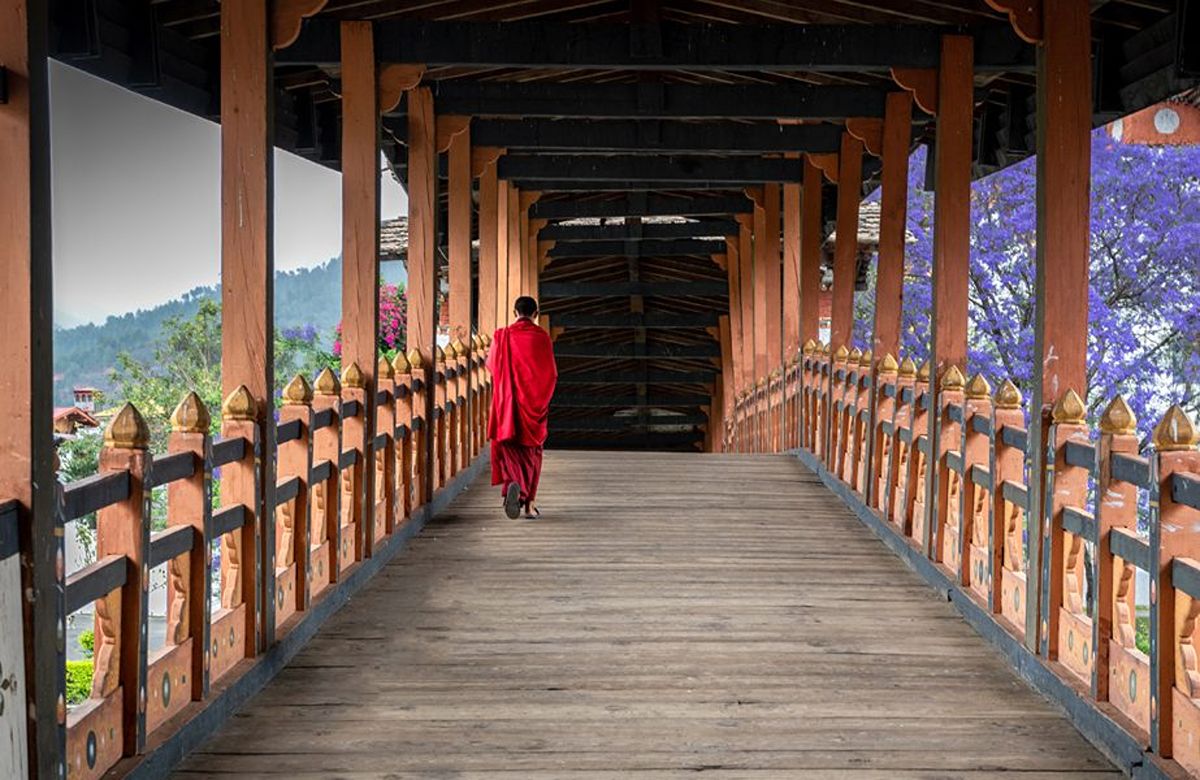
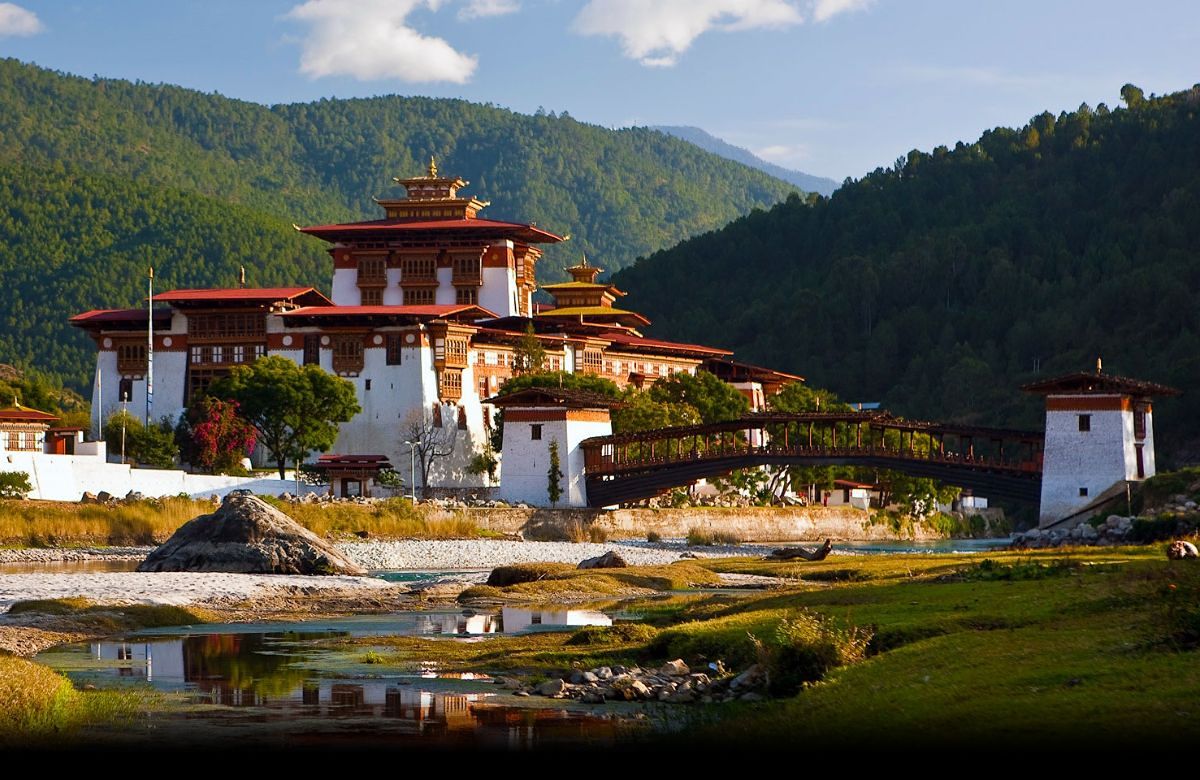
Photographs from the valleys this itinerary passes through. Ask us for more — we have a great many, and we would rather send you real ones than stock.


If yours is not here, send it — we answer properly and we will tell you if the trip is wrong for you.
Not in Punakha, which sits at 1,250 metres and is pleasantly warm at midday all winter. Thimphu and Paro are cold in the mornings — around freezing — but dry and sunny. Bring layers and a warm hat for the pass.
A tshechu honours Guru Rinpoche and is danced by monks and trained laymen. A drubchen is a longer ritual of accomplishment; Punakha’s is unusual because it also carries a historical re-enactment performed by villagers rather than monastics.
Far fewer than at Paro or Thimphu. The Punakha festivals remain principally a local occasion, which is much of the point of going.
Read these before you enquire. Everything here is written so that nothing on the page above reads as a promise we cannot keep.
Tshechu dates follow the Bhutanese lunar calendar, are published each year, and are subject to official confirmation. Dates will be reconfirmed before final travel arrangements are made. Seating in the dzong courtyard is public and unreserved; we arrive early with you rather than promising a reserved place, and no special or private access is implied.
You sleep between the altitudes shown at the top of this page. Take the first day slowly, drink more than feels necessary, and tell your guide immediately about headache, nausea or unusual breathlessness.
Hot stone baths, farmhouse meals, archery, rafting, meditation sessions and monastery visits are arranged locally and are subject to availability, weather, river conditions and the monastic calendar. Where something cannot run on the day, your guide will offer an alternative.
Hotels are named in your final itinerary and quotation rather than on this page. Properties are certified by the Department of Tourism and are confirmed once your dates are held; if a substitution becomes necessary we will tell you before you travel and will not move you to a lower grade without asking.
International flight routes, frequencies and schedules vary by season and change at short notice. Current connections will be confirmed during trip planning. Leave a night either side of your Paro flights rather than booking a same-day onward connection.
The visa application fee is US$40 per person, one-time and non-refundable, and the Sustainable Development Fee applicable to your dates will be identified as a separate line in your quotation. Comprehensive travel insurance, particularly medical and emergency evacuation cover, is strongly recommended; it is not a government visa requirement.
Roads, weather, monastic calendars and local events can all move a day around. Your guide will discuss any change with you at the time, and the shape of the trip is yours to adjust before you travel and, for most days, on the morning.
Every journey is individually quoted. Tell us your travel dates, the number of travellers, your accommodation preference and anything you would like changed about the Punakha Drubchen itinerary, and we will prepare a detailed quotation for your trip.
Fields marked * are required. Prefer to write directly? evergreentcpf@gmail.com · +975 77439181
Your details are used to answer this enquiry and nothing else — no mailing list and no resale.